Tel/WeChat:
 Email:



 Home
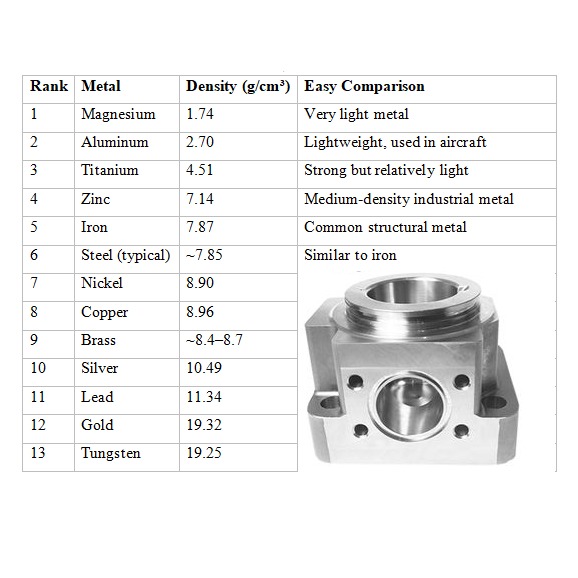
Density of Metals: Chart, Comparison, Effect in CNC Machining
Physical properties of metals are always important, whether it is related to just machining or actual application. Density is a physical property of metals that has great importance when it comes to applications. For instance, with respect to aerospace, t
 Mar 18,2026

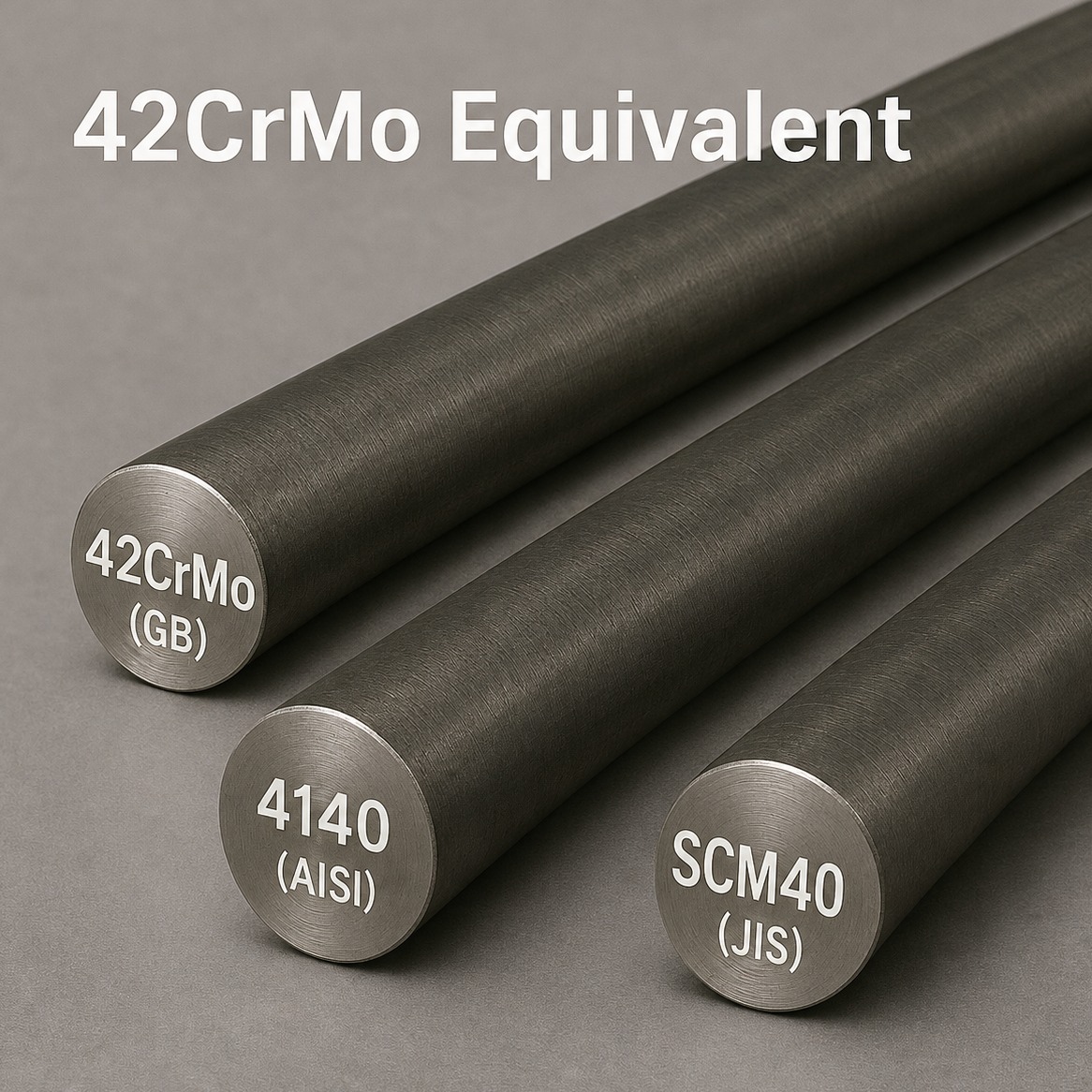
What Is 42CrMo Steel? -Machining Equivalent Materials Difference
42CrMo steel is a structural steel alloy known for its high performance across various industries. This alloy is mostly used in heavy-duty parts exposed to high stress. An in-depth analysis of the steel is provided in this article highlighting its chemica
May 09,2025
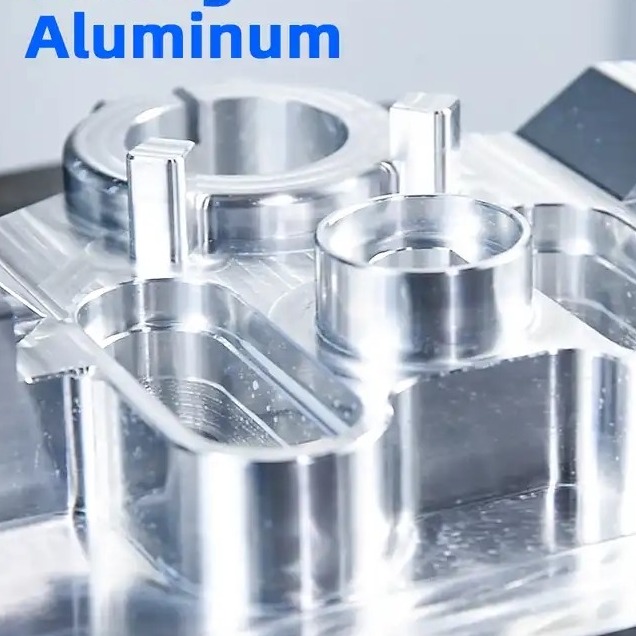
Aluminum 6061 T6 vs T651 vs T6511: What is the Difference?
Aluminum alloys are available in many grades and it is not an easy task to differentiate between them. This article provides you with a comparison of two of the most used tempering processes being used for aluminum alloys. These tempered alloys have the s
Jul 23,2024
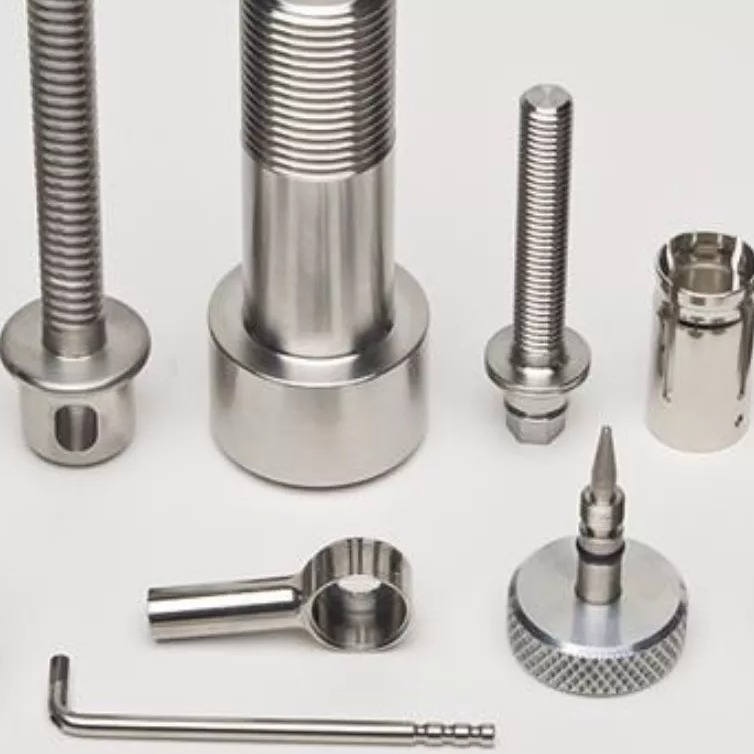
Surgical Steel vs Titanium: Deep into the Properties, Piercings, and Suitability
You surely know that the strongest metal is titanium, and the alloy is steel that we frequently use in our daily lives. Both are superior in their perspective because having excellent chemical and physical properties. But their alloys are totally differen
Jul 24,2024

Anodized Titanium: The Definitive Guide
Anodizing is a famous electrochemical technique to develop colours on different metal and alloys. Anodizing of titanium is different than aluminum anodizing as it doesn’t involve any dye. An electrochemical process is implied and colour variation is
Jul 23,2024
6061 vs 6082 Aluminum Comparative Guide
Aluminum is a very demanding material in engineering applications because of being strong and lighter in weight. By adding alloying elements in Al alloys and providing heat treatment, its mechanical properties like shear strength and toughness further inc
Jul 24,2024
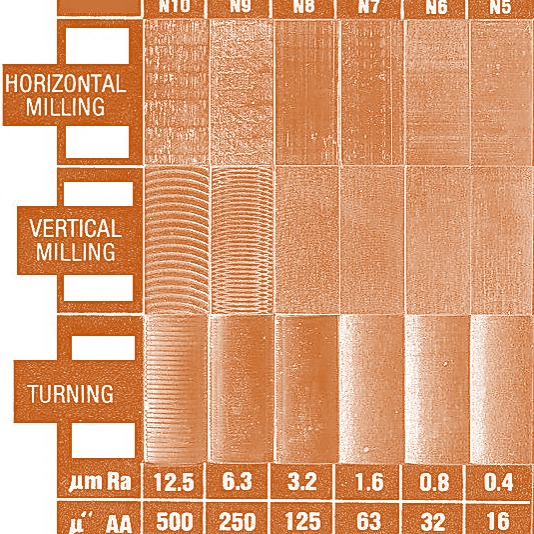
Surface Finish Chart: The Complete Guide
Metal surface finish charts are a reference tool used for assuring quality and precision in surface preparation. In addition to physical properties like strength, ductility or toughness etc. surface provides material an overall appearance. A smooth surfac
Jul 24,2024
3Cr13 Steel: The Complete Guide
3Cr13 martensitic stainless steel has intrinsic metallurgical properties. These properties decide the category of the 3Cr13 item. One has to understand the edge retention and corrosion behavior of a knife. Edge retention decides the life and maintenance o
Jul 24,2024
How to Clean Oxidized Aluminum: 4 Ways
Cleaning oxidized aluminum and making it stain free The versatility of aluminum metal made it durable and the most commonly used metal for vast applications ranging from household items like kitchen utensils to industrial level products. This special meta
Jul 24,2024
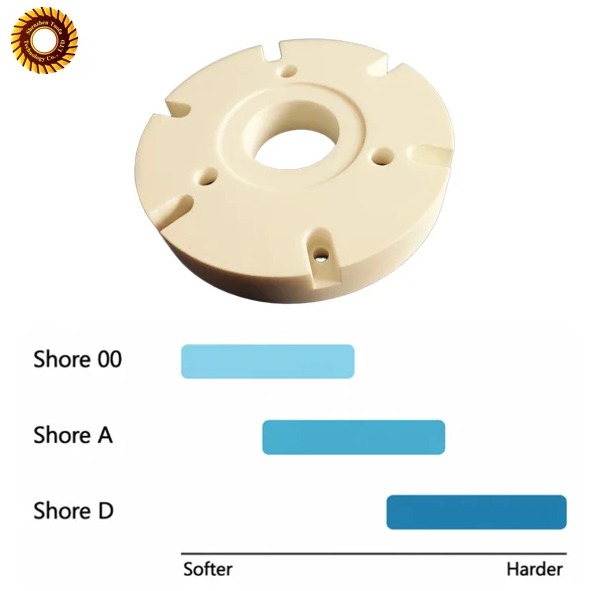
How Does the Shore Hardness Scale Affect Material Selection, Design, and Machining?
Shore Hardness can directly influence material selection, part design and the selection of manufacturing methods such as CNC machining and injection moulding. This guide is written to tell you how shore hardness help you choose suitable material, what par
Oct 21,2026
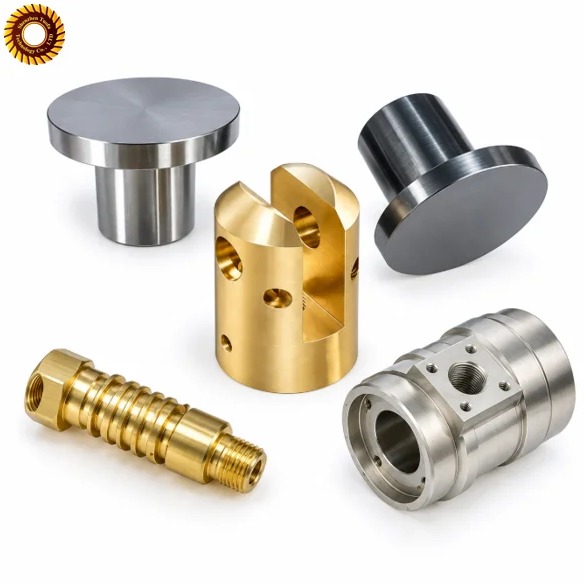
Corrosion-Resistant Alloys: Factors, Typical Metals & CNC Machining
Being a manufacturer or engineer dealing with the production of components operating under harsh conditions, like in Aerospace one major obstacle that you may face is corrosion. As soon as components made with carbon steel or iron get in contact with air,
Oct 17,2026
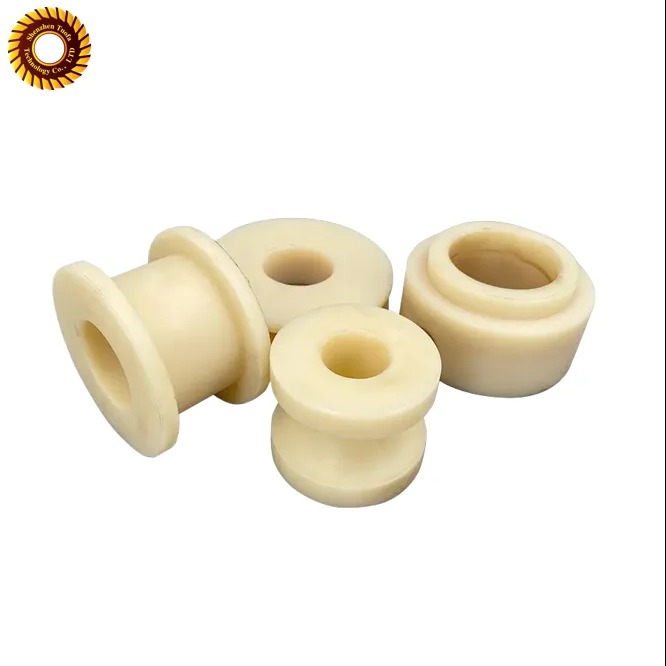
Density of Plastics: Complete Density Chart and Engineering Guide
Density of plastic and its chart play a crucial role in manufacturing industry, as both play a key role in selecting right plastic material and its cost and efficacy. It is the core parameter used to convert part volume into actual part mass. Copying
Oct 15,2026
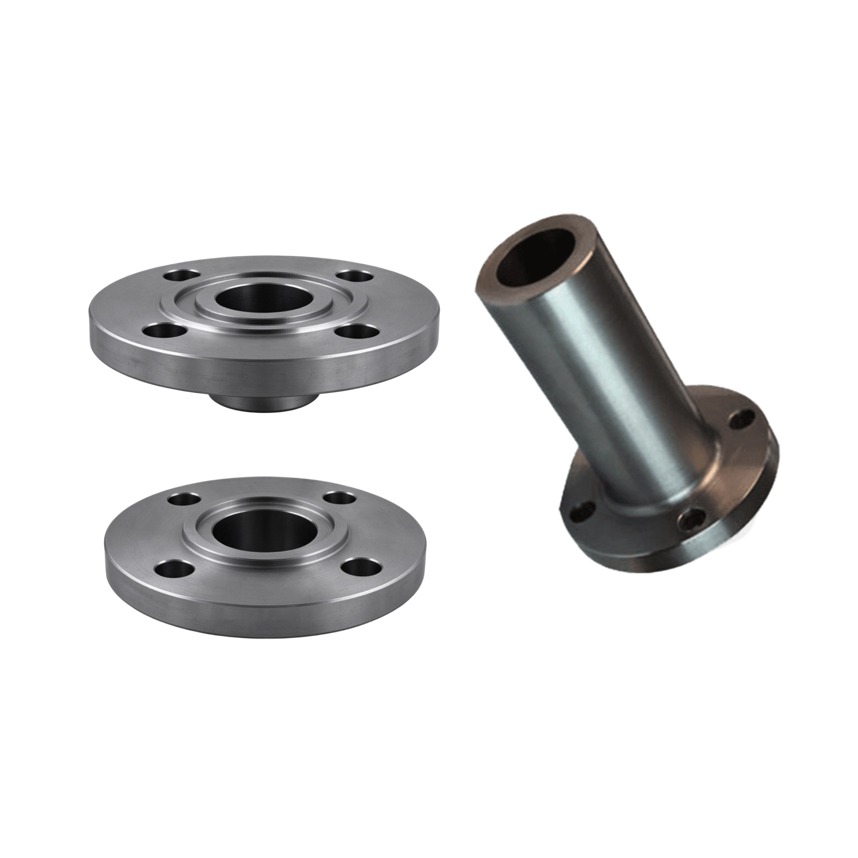
Is 16Mo3 Good for CNC Machining? Properties & Applications
16Mo3 is suitable for CNC-machined parts used in pressure or power generation equipment. If the part needs to sustain high pressure as well as temperatures, 16Mo3 is the good choice for it is one of the low alloy steels that are used for pressure vessels,
Sep 30,2026
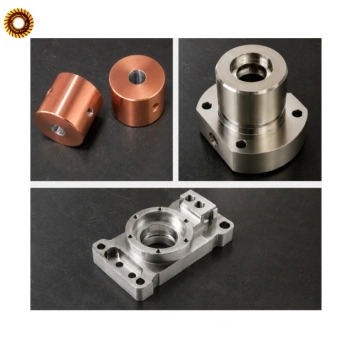
5 Types of Conductive Coatings for Machined Parts: Types, Materials, and Processes
Conductive coatings are used on machine parts for electromagnetic interference (EMI) shielding, grounding, and corrosion protection. These coatings include metal-filled polymer paints, electroplated layers, and chemical conversion treatments. Materials li
Aug 28,2026
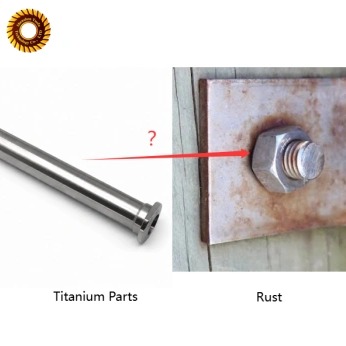
Does Titanium Rust? Guide for Using Titanium Parts
No, titanium doesn't rust. This feature makes titanium usually used in many industries. However, many people still want to know whether titanium can rust in seawater or other harsh environment. Read this article to learn why it doesn't rust so tha
Aug 26,2026
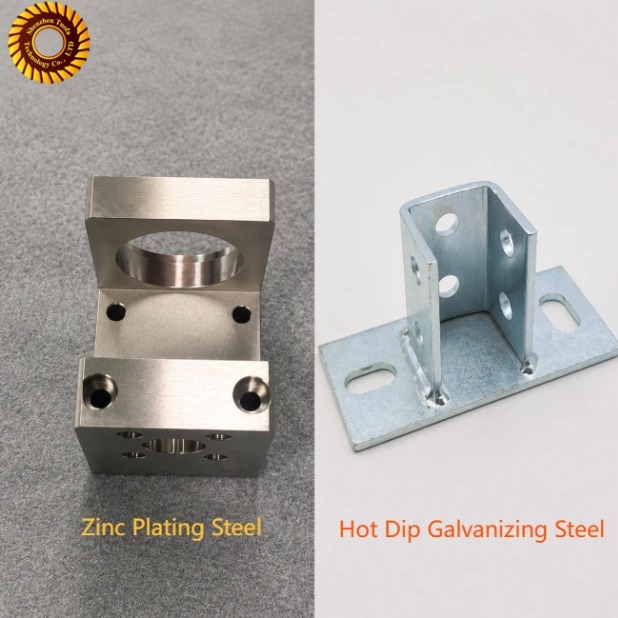
Zinc-Plated vs Galvanized Steel: Which One Should You Choose?
Steel products corrode due to moisture. This moisture can trigger a chemical reaction called oxidation. To protect steel from corrosion, two popular methods are used: Zinc Plating and Galvanisation. These two protective coatings differ in coating thicknes
Aug 18,2026
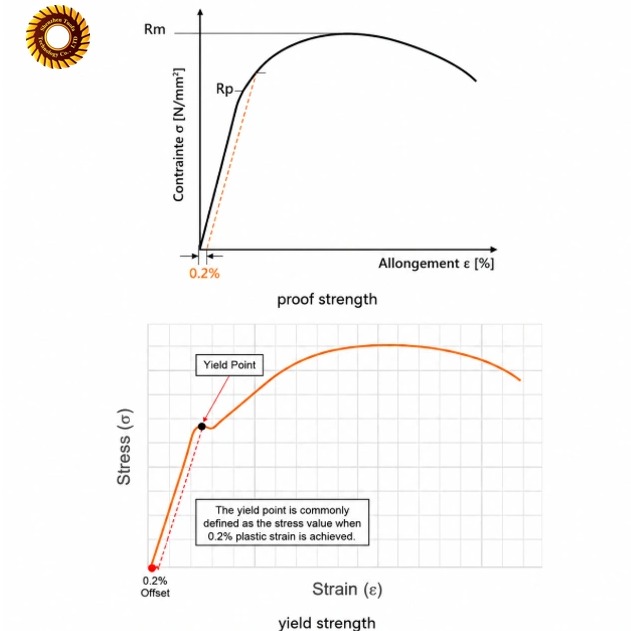
Proof Strength Explained: Is It Important for CNC-Machined Parts?
When seeking metal components for the next vehicle project, there is one characteristic that determines the ability of those components to retain their form under applied loads i.e. proof strength. For load-bearing CNC components, it is usually more impor
Aug 12,2026

If You Paint Copper, Will It Lose Its Conductiveness?
The surface conduct conductivity of copper can be affected if it is painted, while it won';t lose its internal conductivity. However, it doesn';t mean that all coating or painting can affect the surface conductivity of copper. Read this guide to k
Jul 22,2026

 You May Also Like


 Tel
 Email
 Address
107, Huanguan South Road, Longhua District, Shenzhen, CN, 518110.