Tel/WeChat:
  Email:


 Home
HomeIs 16Mo3 Good for CNC Machining? Properties & Applications

 Published:Sep 30,2026
16Mo3 is suitable for CNC-machined parts used in pressure or power generation equipment. If the part needs to sustain high pressure as well as temperatures, 16Mo3 is the good choice for it is one of the low alloy steels that are used for pressure vessels, known for their strength, heat resistance, and weldability. This article will help you understand the properties of 16Mo3, the machining specifications, and its applications.
What Is 16Mo3 Material?
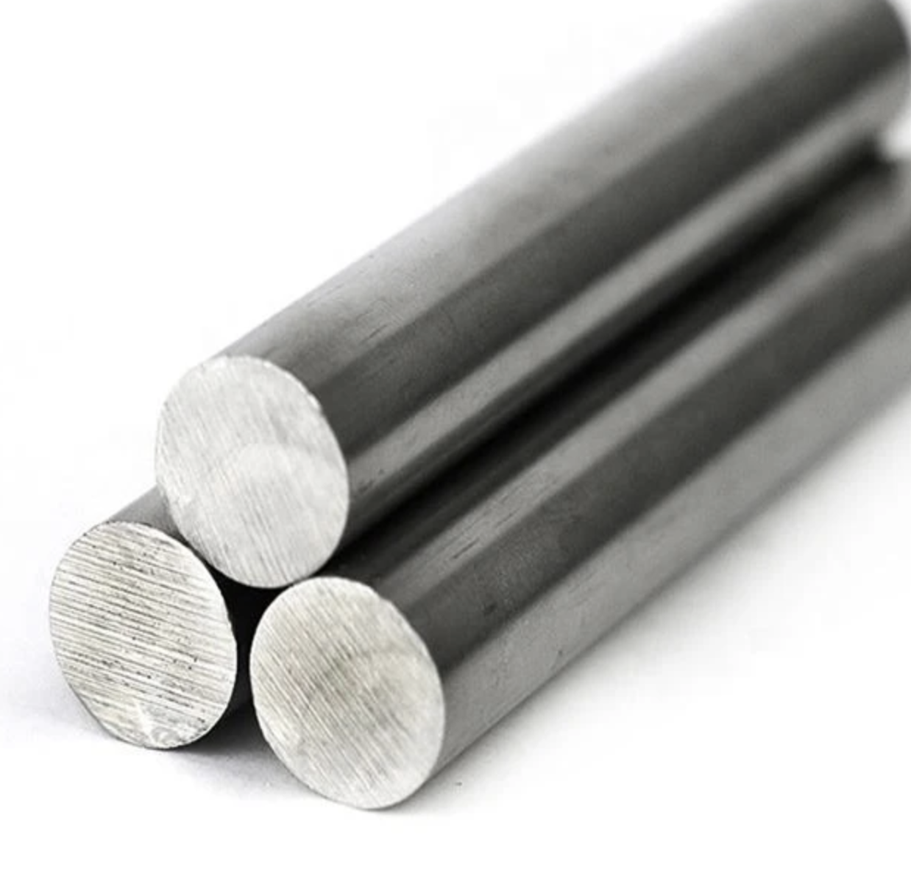
16Mo3 is a low-alloy steel used for service under high temperatures and high pressure. It consists of molybdenum which makes it possible for the metal to have high strength and temperature resistance. The material number of the steel is 1.5415. This steel is predominantly produced in the form of plates. It is used mostly in boilers and heat exchangers.
What Are the Equivalent Grades of 16Mo3?
16Mo3 is also referred to as 1.5415 in the European EN system. American Standard ASTM A204 Grade B is frequently considered an alternative grade that can be used at high pressures and high temperatures as a pressure vessel steel.
Other common 16Mo3 equivalent grades include:
- DIN 15Mo3
- ISO F26/P26
- JIS STBA12
What Is the Chemical Composition of 16Mo3?
16Mo3 is a type of low alloy steel whose carbon and molybdenum percentages range from 0.12% to 0.20% and 0.25% to 0.35%, respectively. In addition, there are other metals found in trace amounts in this alloy, including manganese, silicon, chromium, nickel, copper, phosphorus, and sulfur.The chemical composition of 16Mo3 according to EN 10028-2 is as follows.
|
Element |
Min % |
Max % |
|---|---|---|
|
Carbon (C) |
0.12 |
0.20 |
|
Silicon (Si) |
— |
0.35 |
|
Manganese (Mn) |
0.40 |
0.90 |
|
Phosphorus (P) |
— |
0.025 |
|
Sulfur (S) |
— |
0.010 |
|
Chromium (Cr) |
— |
0.30 |
|
Molybdenum (Mo) |
0.25 |
0.35 |
|
Nickel (Ni) |
— |
0.30 |
Mechanical Properties of 16Mo3 Steel
The mechanical properties provide information on how 16Mo3 responds to the forces involved in machining and to thermal conditions. Typical of them are discussed below:
Yield Strength
Minimum yield strength of the 16Mo3 plate material is 275 MPa at ambient temperatures while maximum yield strength is close to 280 MPa. Its yield strength decreases as the thickness of plates increases.
|
Thickness Range |
Yield Strength ReH (MPa) |
|---|---|
|
≤16 mm |
≥280 |
|
16-40 mm |
≥275 |
|
Thicker |
Decrease Progressively |
The high yield strength means that the component is rigid against cutting because it will resist being deformed by the cutting process.
Tensile Strength
Tensile strength varies between 440 MPa to 590 MPa. This range helps you determine cutting speed. The lower the tensile strength, the faster the material is cut and less wear occurs.
Elongation and Toughness
Elongation falls within the range of 22% to 24% at breakage. This will allow the material to resist breaking during both forming and welding operations. Elongation can also cause smearing of the metal if a blunt instrument is used. High toughness is the care reason that 16Mo3 is difficult to machine. It makes 16Mo3 prone to tool adhesion and chip formation. What's worse, a hardening layer is easy to form during flame cutting because of the high toughness. The hardening layer can damage the cutting tools, leading to the increasing machining costs.
Thermal Properties of 16Mo3 Steel
Thermal behavior affects the reaction of 16Mo3 steel to cutting heat. Inability to dissipate heat effectively leads to overheating of the tool edge, which consequently causes high wear rate. Effective cooling technique is capable of overcoming all these problems.
Thermal Conductivity
The thermal conductivity of 16Mo3 material is about 40-50 W/(m.K) at room temperature. This number decreases to about 36 W/(m.K) at 600°C. It means that the thermal conductivity of 16Mo3 is relatively low, easily causing the accumulated heat in the cutting area. This poor heat distribution will make the cutting tool overheat, which needs to change wear-resistant or heat-resistant tool like TiAIN or coolant.
Coefficient of Linear Thermal Expansion
The expansion coefficient range is from 11.5 µm/m•K at room temperature to 14.4 µm/m•K at 600°C. Components will expand slightly due to prolonged machining operations. Ensure that the parts cool off before carrying out activities involving small tolerances.
Specific Heat Capacity
The specific heat is around 461 J/(kg.K) at room temperature and rises to almost 587 J/(kg.K) at 600°C. If the specific heat is higher, it means that more amount of heat is required to raise the temperature of the substance.When machining thin-wall parts or slender parts, the accumulated heat can easily cause deformation.
|
Thermal Property |
Value at 20°C |
Value at 600°C |
|---|---|---|
|
Thermal Conductivity |
52.1 W/(m·K) |
36 W/(m·K) |
|
Linear Expansion Coefficient |
11.5 µm/m·K |
14.4 µm/m·K |
|
Specific Heat Capacity |
461 J/(kg·K) |
587 J/(kg·K) |
Applications of CNC-Machined 16Mo3 Parts
16Mo3 is applied where high temperatures and pressures are encountered. The CNC process allows the creation of accurate faces, holes, bores, threads, and seals that are needed in such operations.
Boilers and Pressure Vessels
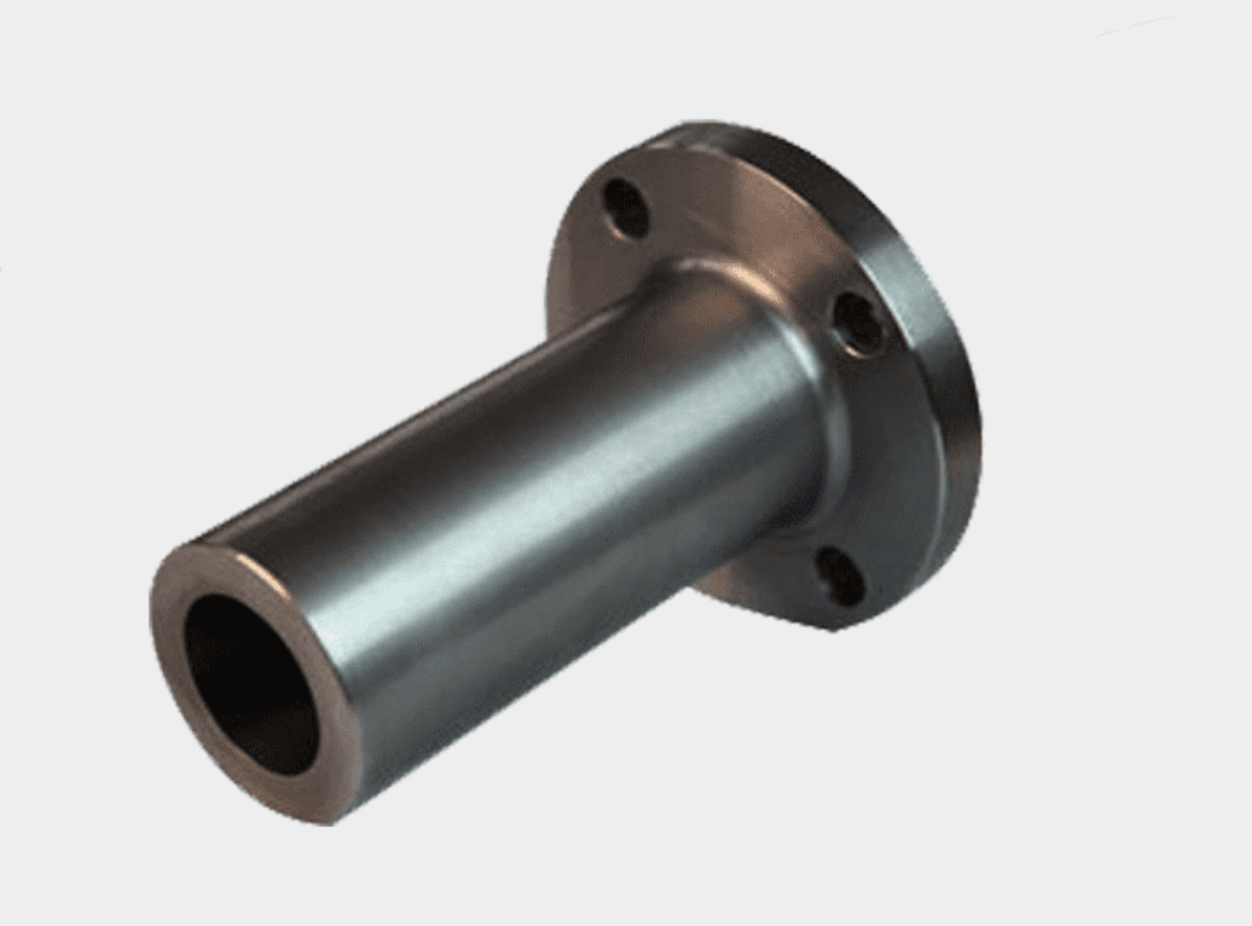
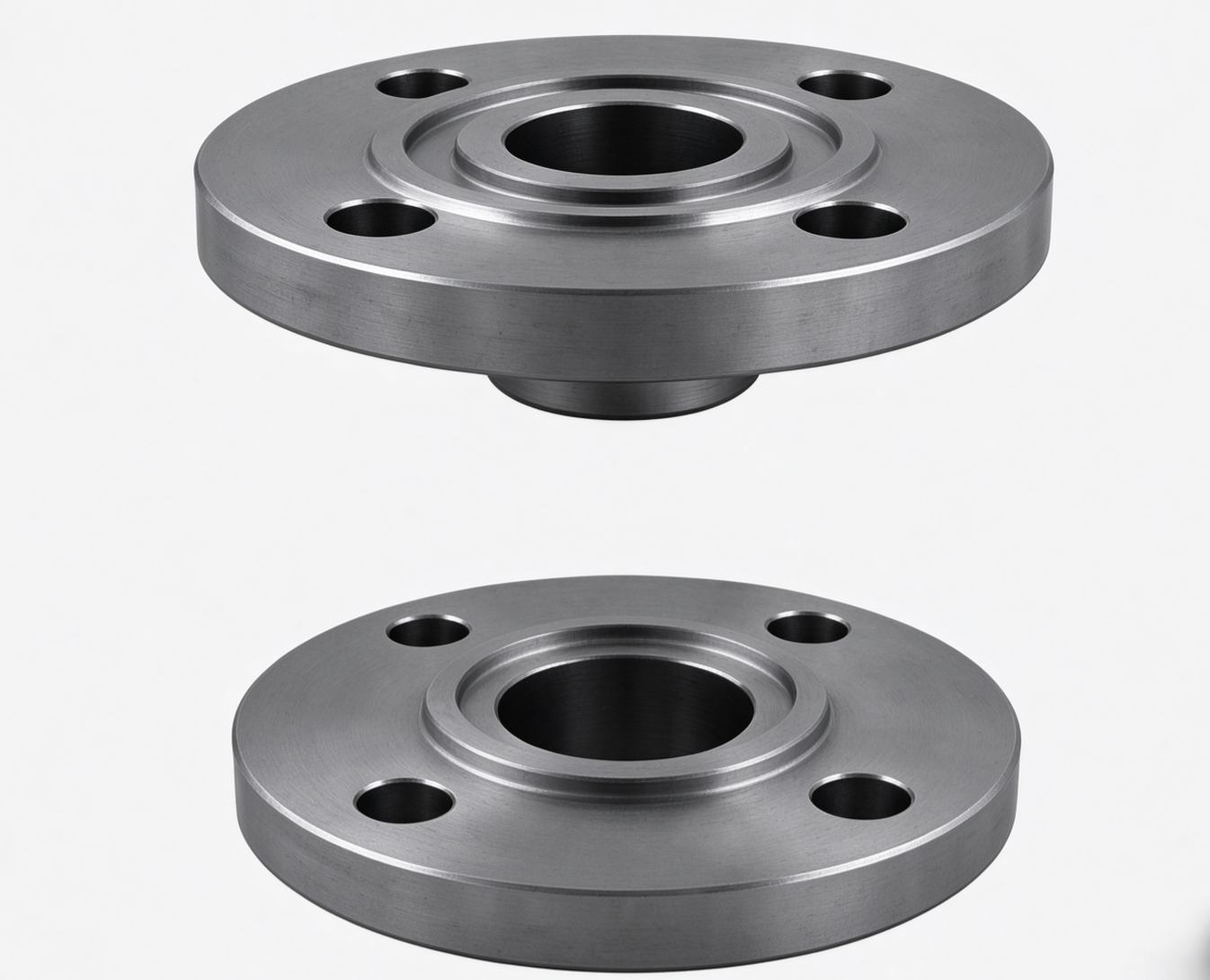
16Mo3 steel is generally used in headers, covers, flanges, and nozzles of boilers and pressure vessel construction because 16Mo3 exhibits excellent high-temperature strength and creep resistance within the temperature range up to ≤500 °C. Machining by CNC can provide accurate seal surfaces, boltholes, and mating surfaces. Dimensional control will ensure correct fitting and sealing.
Heat Exchanger Equipment
Covers, headers, tube sheets, and all others similar used for heat exchangers can be produced from the material 16Mo3 by way of CNC machining because 16Mo3 can meet the requirement of load bearing and heat resistance in high-temperature heat-transfer service. The accuracy of positioning the holes will be done by way of CNC drilling of deep holes with chip control.
Petrochemical Equipment
16Mo3 may be applied for use in high temperature equipment like heaters, vessels, pipe parts, and fittings. Flanges, nozzles, threads and sealing elements are fabricated by CNC machining, ensuring precise machining. The certification and testing of the material are also important aspects.
Manufacturing Methods for 16Mo3 Material
Manufacturing processes are normally involved to produce 16Mo3 parts. Forming, cutting, welding and CNC machining processes can be employed based on the size and accuracy needed. Let's compare these manufacturing methods.
Forming and Forging
16Mo3 is a molybdenum-strengthened heat-resistant steel with high-temperature creep strength, which is the reason that it is suitable for forming and forging. Forming and forging is used to manufacture thick-wall and complex load-bearing 16Mo3 parts such as flange, forged tube-sheet blanks and nozzles. It is possible to achieve near-net-shape through forming and forging operations. This minimizes the amount of material waste and the machining time required. However, the precision of parts manufactured by forming and forging is poor than by CNC machining.
Cutting Processes
Cutting processes include flaming cutting, plasma cutting, and waterjet cutting.
Flaming cutting is suitable for thick plates and cost low. However, it can easily lead to a quench-hardened layer when cutting the edge. This can impact the dimension of parts in the following CNC machining process. Therefore, sufficient machining allowance must be provided.
Plasma cutting can also cause a hardened layer on 16Mo3 plate, but it can be optimized by controlling the cutting current.
Waterjet cutting is the ideal process for machining thin 16Mo3 plates because it doesn't form hardened layer. However, the cost is higher.
Welding Processes
The weldability of 16Mo3 is good because it is low-alloy steel with low carbon content and no chromium. Welding is common in the fabrication of pressurized vessels and welded assemblies. Welding may lead to distortion and stresses. PWHT should always be performed before final machining if required as per relevant codes or specifications.
CNC Machining
Compared with other manufacturing methods, CNC machining can achieve higher precision. Turning, milling, drilling, boring, and threading are the operations used to shape the parts. Accuracy in dimensions is ensured by good machine setup and proper machining process planning.
Is 16Mo3 Difficult to Machine?
No, 16Mo3 has moderate machinability. 16Mo3 steel can be machined using standard CNC methods and carbide tools. The critical considerations that need to be controlled are the production of heat, chip disposal, and hardened layer.
Typical Manufacturing Routes for 16Mo3 CNC Parts
The production process is dependent on the form of the component. Various processes are employed based on the cost, condition of the material, and accuracy needed.
Forging + Normalizing + CNC Machining
This process works well for thick-walled flanges and other shapes. Forging will yield an approximate shape, but the normalized process will make sure the structure is uniformed. CNC machining can be used to finish the product..
Flame Cutting + CNC Machining
This procedure is generally followed in case of plates, like tube sheets. Flame cutting is fast to provide the rough blank. The damaged part is then machined out using CNC machine that provides the exact surfaces and holes. Enough allowance for machining should be provided.
Pre-Machining + Welding + PWHT + Final CNC Machining
This path is used for intricate weldments. Certain surfaces have to be machine finished prior to welding. Post Weld Heat Treatment (PWHT) follows welding. CNC machine finishing is done to get the required tolerances and finishes. Neat-exchanger connections, nozzle + flange assemblies and weld-neck flange assemblies are examples.
Direct CNC Turning from Bar
Smaller cylindrical parts such as nozzles and fittings may also be manufactured directly from the certified bar stock. This is a very simple and efficient method if the diameter of the bar stock is comparable to that of the part.
What Should Be Considered When CNC Machining 16Mo3?
The properties of 16Mo3 during machining are favorable provided that the right tools and conditions are used. Thermal management, wear of tools, chip removal, and surface finish are the main factors that must be considered here. The selection of the appropriate tool depends on the specific machining operation.
Tool Selection for 16Mo3 Machining
Turning & Milling
Use carbide coated cutters and suitable chip-control geometry to deal with high toughness and continuous chip issues.
Drilling
A carbide drill bit can give good results if the drill is fixed properly on the machine. It may be possible to cool the tool through its cooling in certain situations, and this will help in cooling as well as removing chips. As for deep holes, use gun drill to control the chip evacuation and straightness.
How Can Built-Up Edge Affect 16Mo3 Machining?
High-toughness 16Mo3 is pron to BUE when the cutting speed is relatively low and the cutter is not sharp enough. The generated BUE can lead to rough surface with scale-like or torn marks. Also, the service life of tools can be shortened. Lower cutting speeds increase the likelihood of BUE formation.
Design for Manufacturing (DFM) Tips for 16Mo3 CNC Parts
Tuofa CNC manufacturer provides DFM reviews for 16Mo3 parts to reduce the machining costs and optimize the performance of parts from following aspects:
Wall Thickness and Structural Design
As mentioned before, 16Mo3 has medium thermal conductivity, if the wall of parts is too thick or uneven, the heat is easy to accumulate and causes wall deformation. On the other hand, 16Mo3 has relatively-high yield strength and good toughness, resulting in higher cutting forces. The cutting force can easily deform the workpiece. Therefore, the thicker wall will be better. In practice, one can maintain wall thickness ratio not more than 3:1 for adjacent sections.
Deep-Hole Design
Chips tangling and clogging inside the hole both damage the bore and tend to induce built-up edge. For very deep holes, split design and assembly will be better, especially for high-toughness materials like 16Mo3. As far as conventional drilling is concerned, a depth-to-diameter ratio of around 10:1 is a rule of thumb for practice.
Machining Allowance
Allowance must be provided for the finishing process in order to prevent distortion, scaling, and other surface defects. In cases where considerable distortion is expected after welding or forging, an allowance of 3 to 5 mm per side could be applied as a preliminary figure.
Surface Treatments for 16Mo3 Parts
Surface coatings are used to make 16Mo3 parts corrosion-resistant and increase their life span. The selection of coating depends on the environment and operational conditions of the part.
Protective Coatings for Corrosion Prevention
The protective layer acts as an insulator to prevent contact of the steel with water or other corrosive substances. The coating should be appropriate for the temperature and chemicals encountered by the component.
Sandblasting
Sandblasting cleans the steel from rust, mill scale and other contaminations. At the same time, it gives an appropriate surface roughness that will help in coating adhesion. Flame-cut and heat-treated parts often require sandblasting.
Painting
Painting helps protect the surfaces from corrosive attacks. The standard painting system involves using a primer and the topcoat. It is important to choose a paint which can withstand the required service temperatures. Cosmetic parts often need.
Phosphate Coating
Phosphate coating produces a protective film on the surface of the steel. The purpose of phosphate coating is to improve the paint adhesion. It is beneficial for assembly, especially for fasteners or mating face.
Conclusion
16Mo3 is an alloy that works best in the production of parts that require exposure to high temperatures and pressures due to the machining process. It can withstand a high degree of temperature of 530°C and has good machinability with conventional carbide tooling. However, machining is not the only aspect of successful manufacturing. Certification of the metal, forming, machining, welding, PWHT, CNC finish and inspection all constitute a manufacturing process which needs to be planned and carried out in an efficient way.
FAQ
Is 16Mo3 hard to machine compared with C45/AISI 1045?
16Mo3 is machinable using conventional CNC machinery; however, the machining process of this material is not similar to that of C45/AISI 1045. Machinability is determined by the hardness level of the metal, heat treatment state, material condition, tool selection, and cutting conditions.
Why may 16Mo3 pressure parts require post-PWHT finishing?
PWHT may help relieve residual stresses and may also result in small distortions of the material. But, if necessary, post-PWHT machining may be done to return the proper dimensions of parts, faces, bores, and fit-up. The need for PWHT depends on a number of factors.
What is the difference between 15Mo3 and 16Mo3?
15Mo3 and 16Mo3 are alternative designations according to various standards. They have similarities in the alloy composition, but can't be used as substitute for each other directly. There are various parameters that one needs to consider before substitution, including standards, chemistry, properties, form of product, and design codes.
 5 Types of Conductive Coatings for Machined Parts: Types, Materials, and Processes