Tel/WeChat:
 Email:



 Home
Corrosion-Resistant Alloys: Factors, Typical Metals & CNC Machining

 Published:Oct 17,2026

Being a manufacturer or engineer dealing with the production of components operating under harsh conditions, like in Aerospace one major obstacle that you may face is corrosion. As soon as components made with carbon steel or iron get in contact with air, moisture and salt, there is a high chance of corrosion. Resultantly, component structural integrity, overall performance and lifespan can decrease. That's why knowing about the corrosion-resistant alloys (CRAs) is essential.
Herein, we will walk you through corrosion-resistant alloys, their types, properties, how can you select right material for your project, and much more. Stay with us and learn about these corrosion-resistant materials.
What Is a Corrosion-Resistant Alloy?
Corrosion-resistant alloys are a unique blend of metals designed to provide high-quality material with exceptional corrosion resistance. Base metal is mixed with other metals like nickel, titanium, chromium or molybdenum. Importantly, they prevent corrosion through their chemical properties but not coatings.
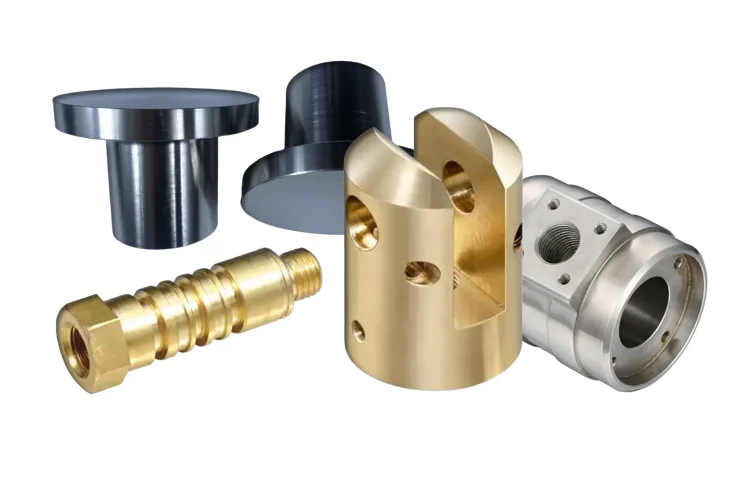
CRAs work by passivating metallic particles, forming passive oxide layers over the surface of the part, preventing salt and moisture from penetrating further. For example, chromium forms Cr₂O₃ layers to resist corrosion.
When Are Corrosion-Resistant Alloys Needed?
Corrosion-resistant alloys are needed when components need to operate under harsh conditions where carbon steel can rust easily. Engineers prefer them to prevent unwanted operational failure and enhance components' overall integrity.
For example, if engineers use carbon steel pipes for sour gas wells pipe will eventually get rusted over time and result in gas leakage. As H₂S is present in the well, it will react with carbon steel, leading to Sulfur Stress Cracking (SSC). So to prevent this, engineers use pipes made with Nickel-Based Alloys such as Inconel 718 or Hastelloy or Super Duplex Stainless Steels.
Can Corrosion-Resistant Alloys Corrode?
Yes, they can, although they are resistant to corrosion as long as the passive oxide layer breaks. No metal is completely immune to corrosion, the degree of corrosion depends on the environment.
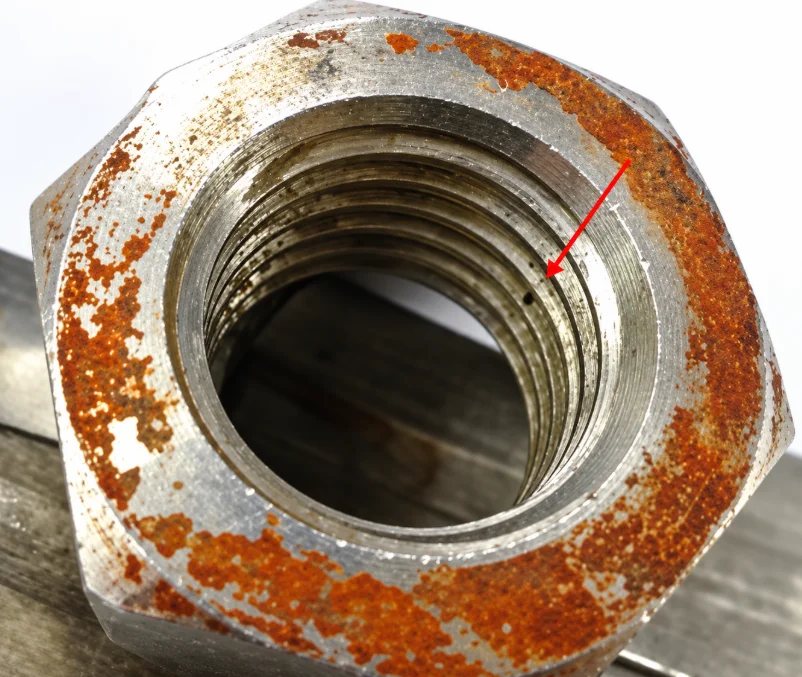
Corrosion Types That Can Still Affect Corrosion-Resistant Alloys
CRAs can also develop corrosion over time if not used properly. Understanding these corrosion types and their reasons will help you decide which alloy you should not use in a specific application. Here we are gonna talk about these corrosions and why they develop even on corrosion-resistant alloys.
Uniform Corrosion
When it comes to uniform corrosion, it usually happens all over the surface of components rather than pitting. The material will degrade from the entire surface; this happens because alloys usually have a uniform composition of elements with no specific active part. So when getting in contact with harsh chemicals at an elevated temperature, the passive layer of the alloy ruptures.
Pitting Corrosion
If the passive layer of your component somehow has micro-wear points like mechanical scratches or welded points, it can develop pitting over time if it gets in contact with halide ions. These ions replace oxygen from the chromium oxide passive layer, dramatically causing pitting in the protective layer.
For example, a case study of the brewing industry showed pitting in just 8 months after installing 304 austenitic stainless steel pipes. These lines were responsible for carrying beer.
Crevice Corrosion
Just like pitting corrosion, it is also localised corrosion which affects only narrow gaps and holes left in components. Such corrosion can occur with a gap as small as 0.1 mm, where moisture can enter, and with time this moisture becomes acidic in nature, attracting chloride ions and causing corrosion.
Galvanic Corrosion
Galvanic corrosion occurs whenever CRAs get in direct contact with low-potential metals directly or through some conductor like seawater or a bolt. In such a scenario, the potential difference causes the weak metal to lose its electrons and move towards corrosion-resistant alloy metals like titanium, nickel or chromium. Here in the primary mechanism, CRA does not corrode, but the other metal does. But in the secondary mechanism, electrons cause reduction at CRAs and cause hydrogen embrittlement. This makes them brittle and causing sudden, catastrophic structural cracking.
Other Corrosion Types
|
Corrosion Type |
When It Occurs |
Why It Matters for CRAs |
|---|---|---|
|
Intergranular / Sensitization |
Welding or bad heat treatment leaves chromium-depleted grain boundaries |
Triggered by machining or welding; key for CNC context |
|
Stress Corrosion Cracking (SCC) |
Tensile stress plus specific media (chlorides, hot water) causes brittle cracking |
Tied to residual stress; supports the machining section |
|
Erosion-Corrosion |
High-velocity flow or particles combine with corrosion |
Common in piping and pump parts |
|
Microbiologically Influenced (MIC) |
Biofilms in piping or stagnant media cause pitting |
Relevant for seawater lines |
|
Hydrogen Embrittlement |
Hydrogen absorbed after pickling or plating makes steel/titanium brittle |
Tied to surface-treatment processes |
|
High-Temperature Oxidation |
Protective film breaks down at high service temperatures |
Key for high-temp material selection |
What Makes These Alloys Corrosion-Resistant?
The unique self-protection nature where they develop passive layers and a uniform crystal structure along with typical alloying elements is what makes CRAs resist corrosion. Let's talk about these factors one by one.
Protective Passive Film
Whenever the surface of corrosion-resistant alloys gets scratched, metal present in it, like chromium, instantly reacts with oxygen in the environment. It creates layers of oxides in nanoseconds, protecting against further degradation of components.
Alloying Elements
Typical alloying elements form a stable microstructure, and each element plays its key role in making these alloys resist corrosion. Here is how each alloying element protects components from degrading:
- Chromium (Cr): One of the core ingredients in stainless steels. Chromium reaches a minimum threshold of about 10.5% to 12% in an alloy; at that point it preferentially bonds with oxygen to form a dense chromium oxide (Cr₂O₃) lattice.
- Nickel (Ni): Stabilises the crystal structure of the alloy. Nickel is responsible for offering general resistance to reducing acids and stress corrosion cracking.
- Molybdenum (Mo): Responsible for adding extra strength to the passive film. Such strength makes it much harder for chloride ions to punch microscopic holes (pits) through the barrier.
- Titanium (Ti): Forms an exceptionally tenacious titanium dioxide (TiO₂) film that remains stable across a massive range of harsh chemical environments and high temperatures
Clean Surface Condition
CRAs are manufactured to have a single, highly uniform crystal phase with clean surface conditions like austenitic or duplex microstructures. Such a clean structure eliminates microscopic impurities and keeps alloying elements evenly distributed. That's why the material lacks the internal electrical imbalances that normally let standard carbon steels rust rapidly.
What Are the Most Common Corrosion-Resistant Alloys?
The most common corrosion-resistant alloys adopted by engineers and manufacturers include stainless steel (SS), nickel-based, titanium-based Cu-Ni-based and Aluminium-based alloys. Each, with its unique properties, has found its use in various industries. Let's have a closer look at them so you can pick the right alloy for your next project.
Stainless Steel
Stainless steel with its base metal iron possesses 10.5% chromium and other metals, including nickel, carbon, molybdenum, silicon and magnesium. This makes it corrosion-resistant. As said before, chromium forms passive oxide layers over component surfaces, preventing degradation. Because of its resistance to corrosion, engineers use 316 SS for chemical reaction vessels, piping, and heat exchangers. It can safely handle aggressive acids and solvents without metal leaching.
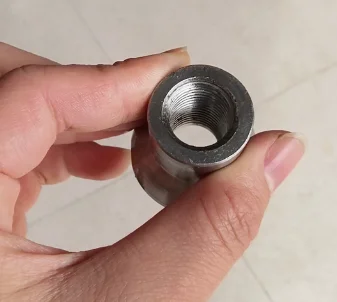
Here we have enlisted SS grades with their unique applications because of their corrosion resistance:
|
Type |
Common Grades |
Specific Applications |
|---|---|---|
|
Austenitic |
303, 304, 304L, 316, 316L |
CNC-machined valve stems, threaded pipe fittings, pump impellers, heat exchanger tubes, marine propeller shafts, and chemical storage tank liners |
|
Ferritic |
409, 430 |
Automotive exhaust pipes, muffler shells, catalytic converter housings |
|
Martensitic |
410, 420, 440C |
Pump shafts, turbine blades, surgical scalpel blades, ball bearings, bearing races |
|
Duplex |
2205, SAF 2304 |
Oil and gas pipeline flanges, centrifugal pump casings, heat exchanger plates, pressure vessel shells |
|
Super Duplex |
2507 |
Subsea valve bodies, offshore piping manifolds, seawater pump shafts |
|
Precipitation-Hardening |
17-4 PH (630) |
Aerospace landing gear components, actuator shafts, pump impellers, high-strength fasteners |
Nickel-Based Alloys
To prevent stress corrosion in marine environments, engineers use nickel-based alloys for manufacturing components. Nickel-based alloys resist corrosion due to the formation of NiO layers over their surface.
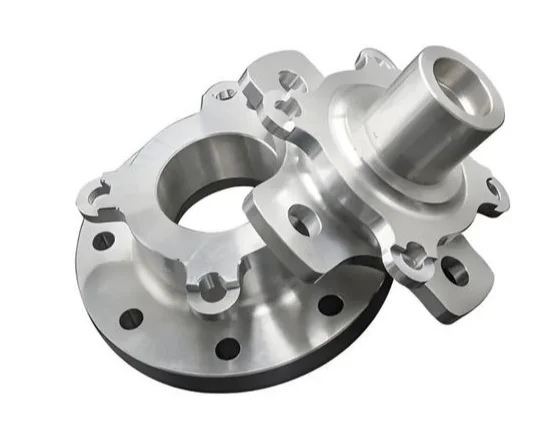
Not only does this oxide layer prevent corrosion, but other elements also play an essential role, like molybdenum, which prevents pitting. Nickel-based alloys differ from conventional carbon steels because nickel is their primary constituent rather than iron, and many offer superior resistance to rust and corrosion.
Here are common grades of nickel-based alloys used by engineers in industry:
|
Type |
Common Grades |
Specific Applications |
|---|---|---|
|
Commercially Pure Nickel |
Nickel 200, Nickel 201 |
chemical reactor vessels |
|
Nickel-Copper Alloys (Monel) |
Monel 400, Monel K-500 |
Marine propeller shafts, seawater pump impellers, oil-well drill collars, subsea valve stems, and marine fasteners |
|
Nickel-Chromium Alloys (Inconel) |
Inconel 600, Inconel 625 |
offshore flare stack components, subsea connector housings, and aerospace exhaust systems |
|
Nickel-Molybdenum Alloys (Hastelloy) |
Hastelloy C-276, Hastelloy B-3 |
chlorine handling pipes, chemical reactor internals, hydrochloric acid distillation columns |
Just like stainless steel, the exceptional mechanical properties, like high hardness good strength to weight ration and thermal resistance of nickel-based alloys like Inconel and Hastelloy, make it difficult to machine the material.
Titanium Alloys
Titanium alloys are well known for their corrosion-resistant nature, even in harsh environments like marine and salty water. It's because of their passive protective layers of oxides (titanium oxide), which are resistant to chlorides. Not just this, if the surface of components made with titanium-based alloy gets scratched, it has a self-healing ability; it reacts with a trace of oxygen, and it rebuilds the titanium oxide layer. Because of its outstanding corrosion resistance, it finds its use in submarine hulls, propeller shafts, and seawater cooling pipes.
Common grades of titanium-based alloys are:
- Grade 5 (Ti-6Al-4V)
- Grade 9 (Ti-3Al-2.5V)
- Grade 23 (Ti-6Al-4V ELI)
- Grade 12 (Ti-0.3Mo-0.8Ni)
Aluminum Alloys
Just like the rest of corrosion-resistant alloys, Al-based alloys also form protective oxide layers, Al₂O₃, preventing parts from corrosion. Since Al is lightweight with a remarkable strength-to-weight ratio and can tolerate harsh conditions, that's why manufacturers use it in manufacturing of aircraft skins and structural frames. Not just in aircraft projects, engineers also use it for food and beverage storage tanks, food-grade foil, and pharmaceutical containers because aluminum oxide is non-toxic. High-strength 2xxx and 7xxx have relatively weak corrosion resistance.
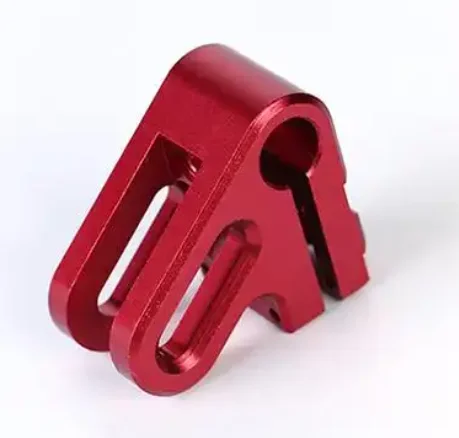
Commonly used aluminum-based alloys are:
|
Grade |
Series |
Primary Alloying Elements |
|---|---|---|
|
1100 |
1xxx |
Pure Aluminum (99%) |
|
3003 |
3xxx |
Manganese (1.2%) |
|
5083 |
5xxx |
Magnesium (4.5%) |
|
6061 |
6xxx |
Magnesium & Silicon |
|
7075 |
7xxx |
Zinc (5.6%) |
Copper-Nickel Alloys
Unlike other CRAs Cu-Ni alloys are typically composed of pure copper and nickel with just 1% of other elements. This makes it different from other when ever get in contact with moisture or salt, they form a layer of oxides and hydrooxides. These layers prevent further corrosion. Cu 90/10 (90% Cu and 10% Ni) is resistant to corrosion in salty water that is why it is mainly found in marine piping. Here are some more grades of Cu-Ni alloys and their properties:
|
Grade Name |
UNS Designation |
Nominal Composition |
Key Characteristics |
Machinability Rating (Brass = 100%) |
|---|---|---|---|---|
|
Cupronickel 90/10 |
UNS C70600 |
90% Cu, 10% Ni (+ Fe, Mn) |
High resistance to biofouling and general seawater corrosion; widely used in standard piping. |
20% |
|
Cupronickel 70/30 |
UNS C71500 |
70% Cu, 30% Ni (+ Fe, Mn) |
Higher strength, better thermal stability, and superior resistance to high-velocity water erosion. |
15% |
|
Cupronickel 66/30/2 (Modified) |
UNS C71640 |
About 66% Cu, 30% Ni, 2% Fe/Mn/Cr |
Enhanced resistance to impingement and high-flow seawater conditions. |
15% |
What Factors Affect the Selection of Corrosion-Resistant Alloys?
Selecting the right corrosion-resistant alloys is affected by various factors, such as the environment in which components will be working. What mechanical properties you want in your components, along with their cost and reliability. We are gonna dig in in detail for each factor so you can select according to your requirements.
Service Environment
Engineers analyse the service environment under which a specific component will work and check for threats and decide which alloys will suit best. We have summarised multiple environmental threats that components will face and suitable materials:
- Chloride Content:Since it drives localised pitting and crevice corrosion. Engineers evaluate PREN (Pitting Resistance Equivalent Number) and select super duplex stainless steels or nickel-aluminium bronze (aiming for PREN > 40) rather than basic stainless steels.
- Acidity and Low pH: Low pH causes general metal dissolution and hydrogen embrittlement. To avoid this you must check for ISO-corrosion charts. It will help you specify specialised alloys like Hastelloy C-276 / B-2 for hydrochloric acid or Alloy 20 for sulphuric acid environments.
- Mechanical stress and Sour Gascan trigger catastrophic Stress Corrosion Cracking (SCC) and Sulfide Stress Cracking (SSC). Opting for high-nickel austenitic alloys or duplex grades is effective.
Temperature
If your components will be working under high temp and pressure it may face accelerated oxidation and passive layer breakdown while increasing gas dissolution. So you should evaluate yield strength at temperature to choose nickel-based superalloys (such as Alloy 625, Alloy 825, or Inconel).
Material Mechanical Requirements
While selecting the right CRA for specific components, checking material mechanical requirements is crucial. For this purpose, engineers first calculate the physical stresses, like heavy pressure, pulling forces, or extreme cold. For example, if a deep-sea valve faces crushing underwater pressure that would bend regular stainless steel, the engineer is forced to skip the soft metals and choose a super-strong, hardened nickel alloy like Inconel 718.
CNC Machinability
CNC machining is a major concern when it comes to selecting the right CRA, maintaining functional integrity and manufacturing efficiency. For example, if you aim to produce a component with simple geometry, you should choose a material that is easy to machine, as selecting a tough material will increase machining cost. For example, choosing Aluminium 5083 or Stainless Steel 304 should be selected before jumping to Titanium or Inconel, which escalates production costs exponentially.
Cost and Service Life
When selecting the right corrosion-resistant material based on cost and service life, engineers use Life-Cycle Cost Analysis (LCCA). LCCA is used to know the exact point where a higher initial material investment eliminates future maintenance.
For example, Standard carbon steel is cheap to buy, but it rusts quickly. If a pipeline needs to last 30 years, you will spend millions of dollars constantly injecting rust-resistance alloys and patching up leaks. So investing in Duplex stainless steel is a wise choice.
How Can CNC Machining Affect the Corrosion Resistance of Alloys?
When corrosion-resistant alloys are subjected to CNC machining, there are possibilities that their resistance will decrease in some cases. It's because of multiple reasons, like components may develop microcracks, rough surfaces or thermal damage. Here are some possibilities of affecting their effectiveness to prevent corrosion and how they can be handled if faced.
Surface Contamination During Machining
The surface of the material can get contaminated as high-speed tools are used at high pressure, due to which microparticles from the tool can move to the component's surface. This creates localised electrochemical cells, rapidly accelerating galvanic or pitting corrosion. To deal with this problem, engineers utilise tools coated with Titanium Nitride (TiN) or Diamond-Like Carbon (DLC) to act as a barrier against material transfer.
Surface Roughness
If the cutting tool is not sharp enough to cut material effectively, it will create rough ends with microscopic cracks. Not only this, high feed rates and work hardening also cause rough surfaces of components, which can lower the corrosion resistance ability of these materials. To overcome this, rough-surface components made with high-strength components whose machining is difficult, like SS 316, are subjected to ASTM A967 nitric or citric acid chemical passivation or electropolishing selectively.
Residual Stress
During drilling, cutting or milling, components is subjected to localised stress, developing microcracks. These microcracks are where moisture or salt attacks causing corrosion. So, in order to minimise residual stress, optimised cutting parameters are used. For example, engineers use sharp tools, reduce the depth of cut, and maintain proper feed rates
Post-Machining Cleaning
Post-machining processes alter surface roughness, remove or damage passive oxide films, and introduce residual stresses. Proper cleaning, passivation, and suitable surface finishing help restore or preserve corrosion resistance, particularly in stainless steels.
How Do Design and Assembly Affect the Corrosion Performance of CRAs?
Corrosion performance of CRAs is not just affected by operating conditions, stress, etc but the design of your component and how it is assembled also impact their efficiency. For instance, components with tight gaps have more chances of fluid buildup causing pitting or crevice corrosion. Here are some cases when your design can impact the corrosion resistance efficacy of CRAs and how to avoid them.
Crevices and Tight Gaps
If your component has crevices and tight gaps, reliefs or oaskets, it's more prone to develop corrosion even if made with CRAs. As corrosion-resistant material works by passive oxide layers, mechanistic if this layer is ruptured, they start to corrode.
When liquid like beer or something moves from pipelines and stays in these crevices, oxygen concentration decreases at these points, creating an anodic environment where chlorites are attracted, resulting in depletion and destruction of the passive layer. So make sure if any gas is in there; these must be wide enough to ensure no liquid gets trapped there.
Blind Holes & Fluid-Trapping Features
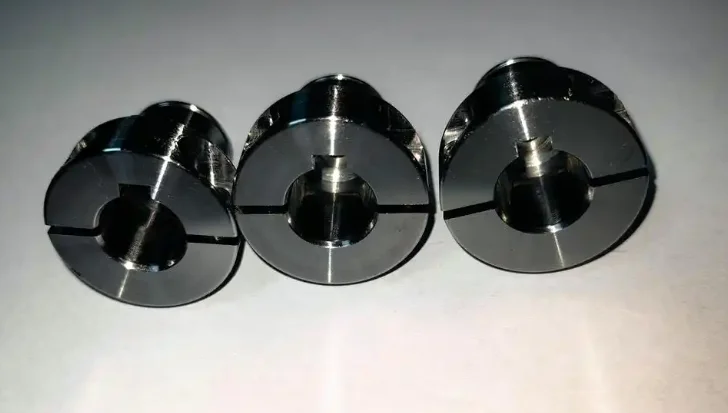
Tight blind holes like under bolt heads, thread reliefs, press-fits, or gaskets in your components' design disrupt protection through a predictable cycle. Just as said before, liquid enters in these holes but becomes stagnant. The oxygen within this tiny volume is quickly consumed, preventing the passive oxide film from reforming. Decrease these features can make the parts perform corrosion resistance better.
Dissimilar-Metal Contact
Using mismatched metals together in a damp environment within a component can cause structural failure resulting from galvanic corrosion. When two metals with huge differences in their potential come in contact in the presence of a conductor, this passive oxide layer can no longer prevent corrosion, as it's not an insulator. Selecting the appropriate metal is essential to avoid any future downtime.
Surface Treatment for Maintaining the Corrosion Resistance of CRAs
Even corrosion-resistant alloys are subjected to surface treatments to enhance their corrosion resistance or protect their efficiency. Since components need to work under harsh conditions, they are subjected to these surface treatments to ensure their reliability.
Passivation for Stainless Steel
Stainless steel is subjected to passivation, where it's treated with a mild acid bath to remove any leftover iron residue or welded oxides. Passivation also helps you enrich chromium responsibly for oxide layer formation. With the help of passivation, you can enhance corrosion resistance purely via chemical reaction without changing part dimensions.
Electropolishing for Stainless Steel
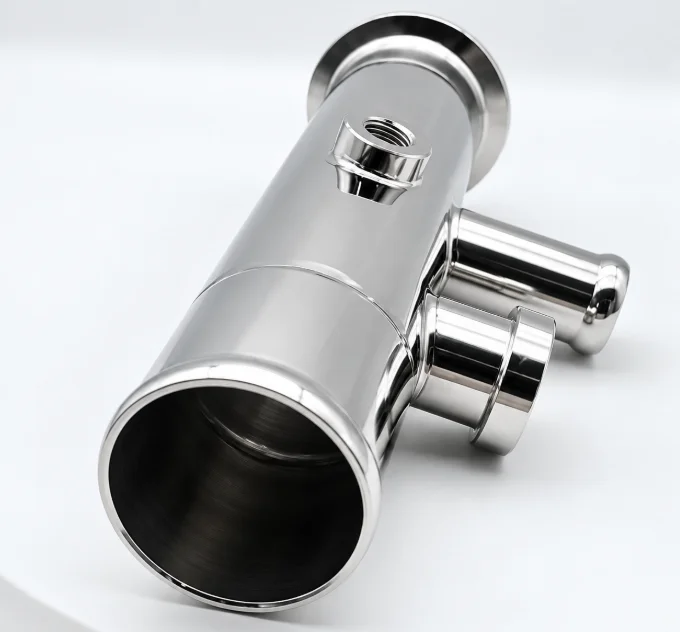
Electropolishing helps you get rid of deeply embedded iron and eliminates surface micro-cracks. These are key reasons for where pitting corrosion typically originates. Electropolishing maximises the surface chromium-to-iron ratio.
Anodizing for Aluminum
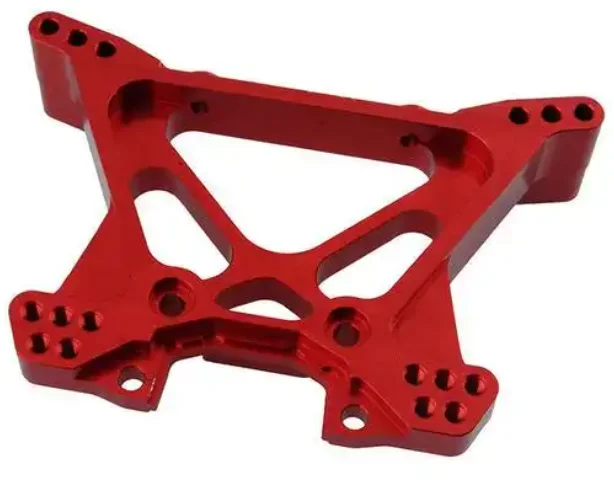
You can use anodising to form a protective aluminium oxide layer on your aluminum components. This improves their resistance to corrosion, weathering, and chemical exposure. Engineers typically specify sealing after anodising to reduce porosity and improve the protective performance of the coating.
Plating and Protective Coatings
Plating and protective coatings create a barrier between the substrate and corrosive environments. Use methods like electroplating, powder coating, and physical vapor deposition (PVD) according to your components' requirements.
What Are Advantages of Corrosion-Resistant Alloys?
With their natural protective nature, CRAs offer numerous remarkable benefits to components. Using CRA will hence improve reliability, reduce maintenance and more.
Longer Service Life
Since corrosion-resistant material does not degrade easily or chip under saltwater conditions, components will have a longer life compared to normal carbon steel components.
Reduce Dependence on Protective Coatings
You do not need to apply a protective coating to prevent rusting or corrosion, as these materials can self-resist corrosion. It will save a lot of maintenance time and cost, making it an effective yet economical choice.
Improve Reliability of Joints and Assemblies
If you select appropriate CRAs, it minimises galvanic corrosion at critical connection points where different metals meet. For example, fasteners, welds, and joints retain their mechanical strength, preventing catastrophic structural failures or hazardous fluid leaks.
Conclusion
Corrosion-resistant alloys have become an effective choice for engineers and manufacturers, as they ensure the reliability of their components. But selecting the right corrosion-resistant material is essential to avoid structural or economic downtime. Understanding the different CRA types and their machining characteristics helps manufacturers make informed material choices, control production costs, and achieve the required component performance.
That's why selecting the right manufacturing partners for your next project is key. Tuofa machining can help you evaluate the machinability and surface finishes of corrosion-resistant metals and provide recommendations. We will tailor a suitable machining solution for your project once you send the drawings and tell us the applications of the parts.
FAQ
Should You Choose a corrosion-resistant Alloy or Add a Coating?
Selecting between coating and corrosion-resistant alloys depends on your budget and operational conditions of the component. For example, if your component will be working under harsh conditions, like in the case of salt, moisture, and high temperature, where the coating can chip off, so opt for RAs.
Is 304 or 316 stainless steel more corrosion resistant?
316 stainless steel is more corrosion resistant, as it contains molybdenum, which is more resistant to chlorides than SS 304.
Which alloy is most resistant to corrosion?
Nickel-based alloys like Inconel and Hastelloy C-276 provide high-level corrosion resistance among all alloys.
 How Does the Shore Hardness Scale Affect Material Selection, Design, and Machining?