Tel/WeChat:
 Email:



 Home
Rapid Prototyping Service
We provide fast prototyping and low-volume production to shorten lead times and control costs.
Certifications: ISO 9001:2015 | IATF 16949 | ROHS | CE
All uploaded files are kept safe and confidential.
Rapid Prototyping Capabilities
As a direct custom manufacturer, Tuofa CNC Machining provides short-run parts in multi-materials.
CNC Machining
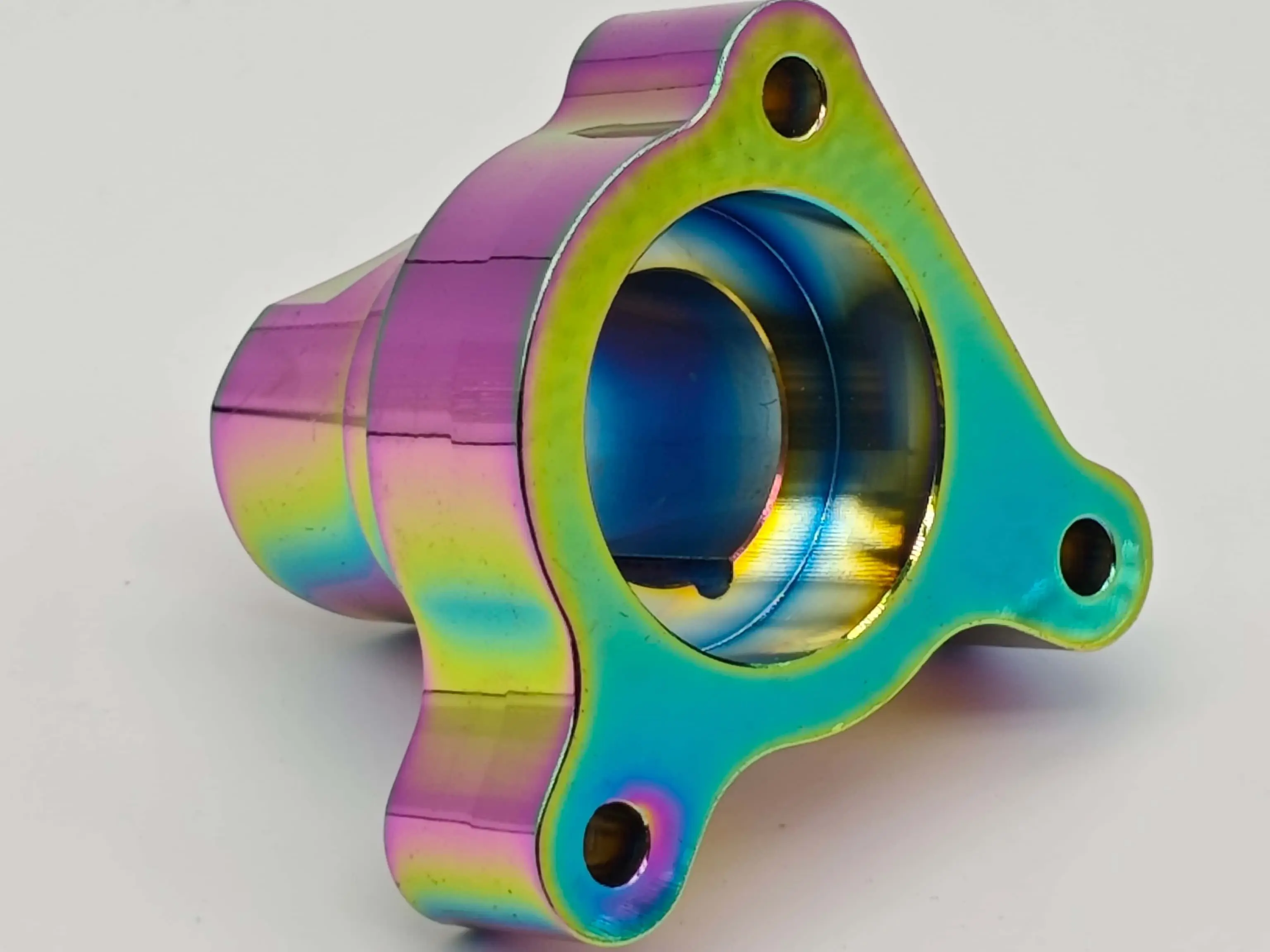
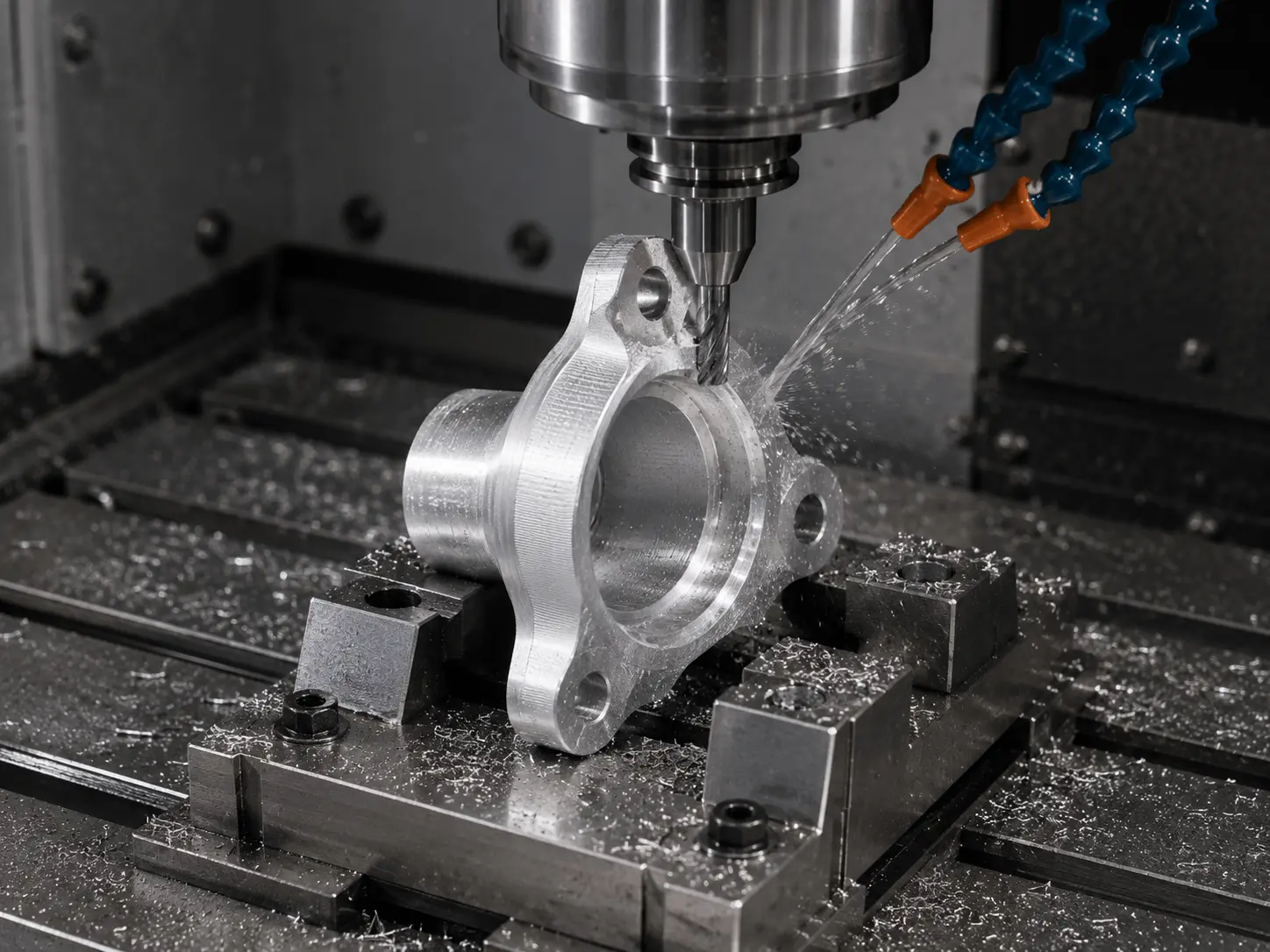
Our CNC rapid prototyping services produce functional metal and plastic parts from production-grade materials, with tight tolerances, machined finishes, and reliable fit. From one-off prototypes to low-volume runs, Tuofa also supports finishing and inspection.
View Capabilities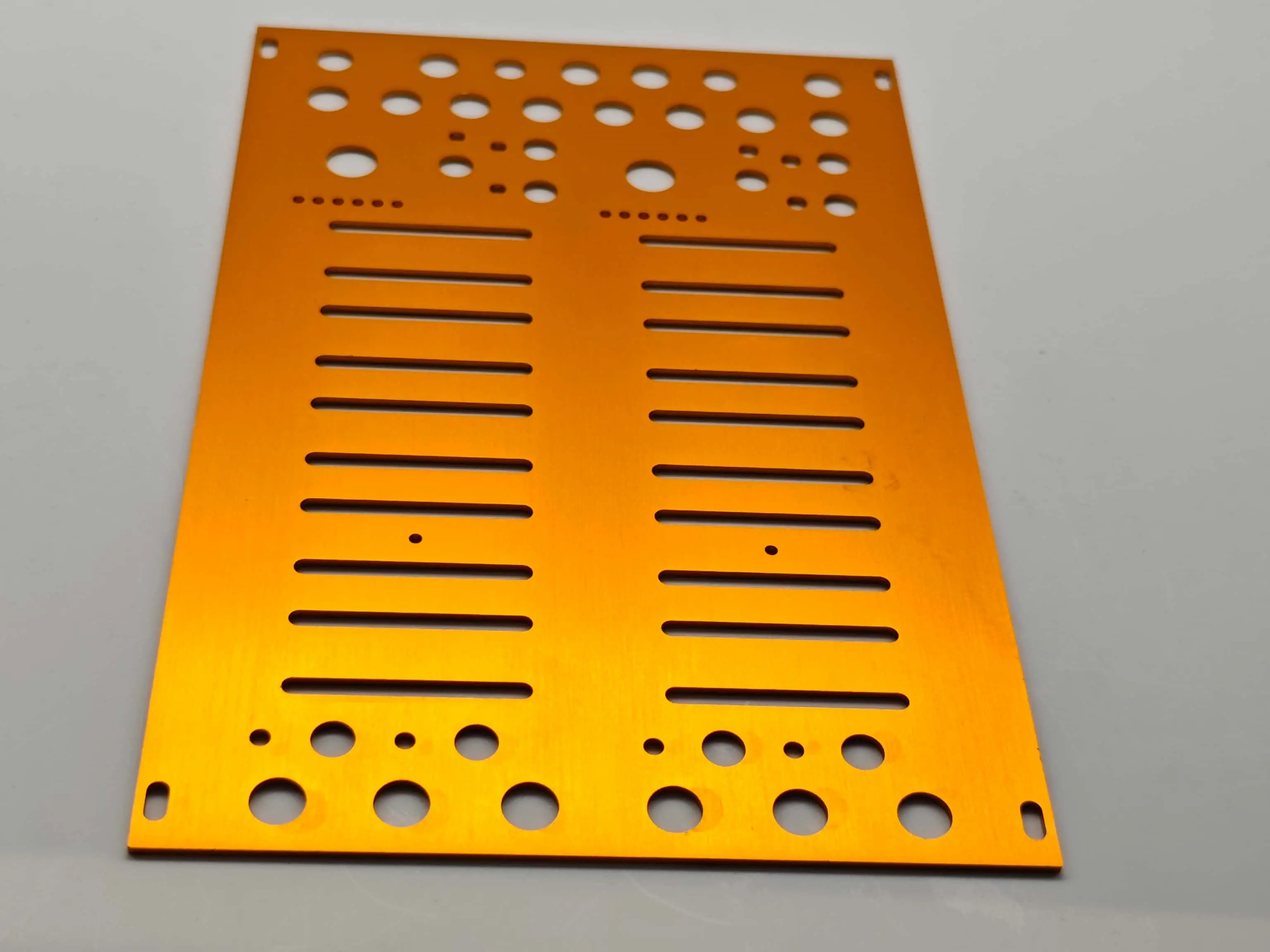
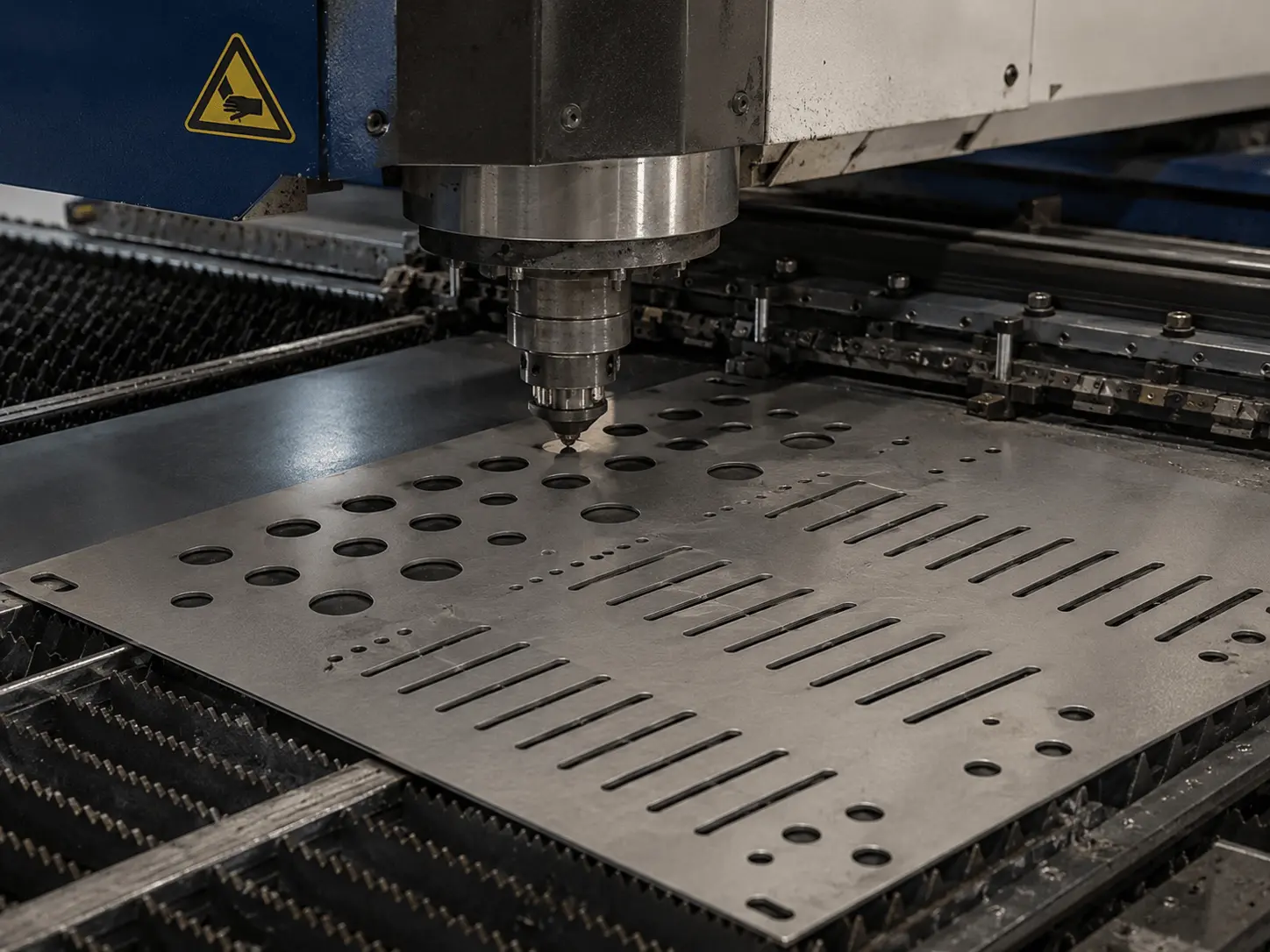
Sheet Metal Fabrication
For rapid prototyping of brackets, panels, covers, and enclosures, sheet metal fabrication combines laser cutting, bending, forming, welding, and finishing. It is a fast, economical option for thin-wall structures, mounting parts, and early fit validation.
View Capabilities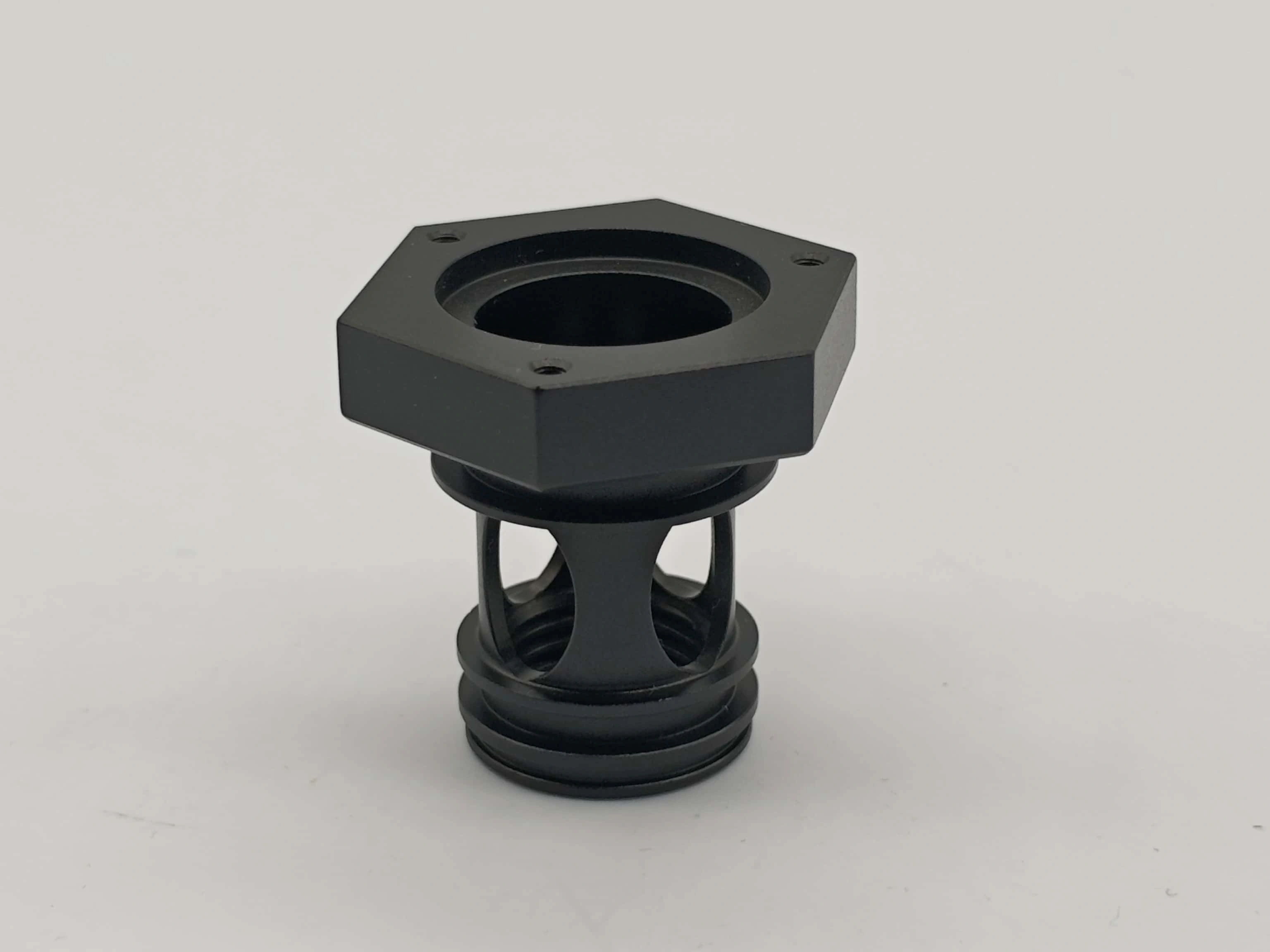
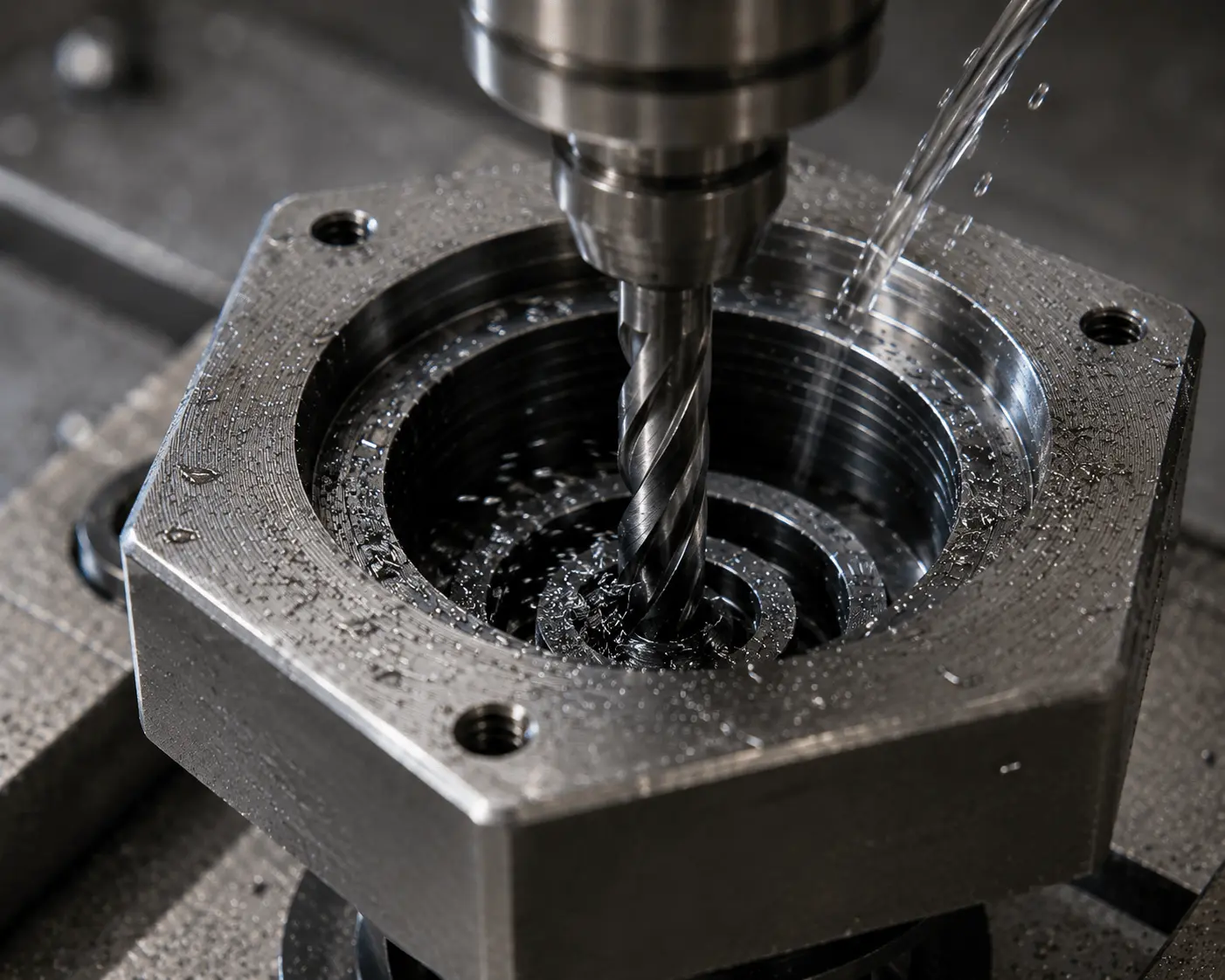
3D Printing + CNC Machining
For complex rapid prototypes, 3D printing can build the basic shape quickly, while CNC machining improves critical holes, threads, flat faces, sealing areas, and assembly features. This hybrid prototyping service balances speed with functional accuracy.
View Capabilities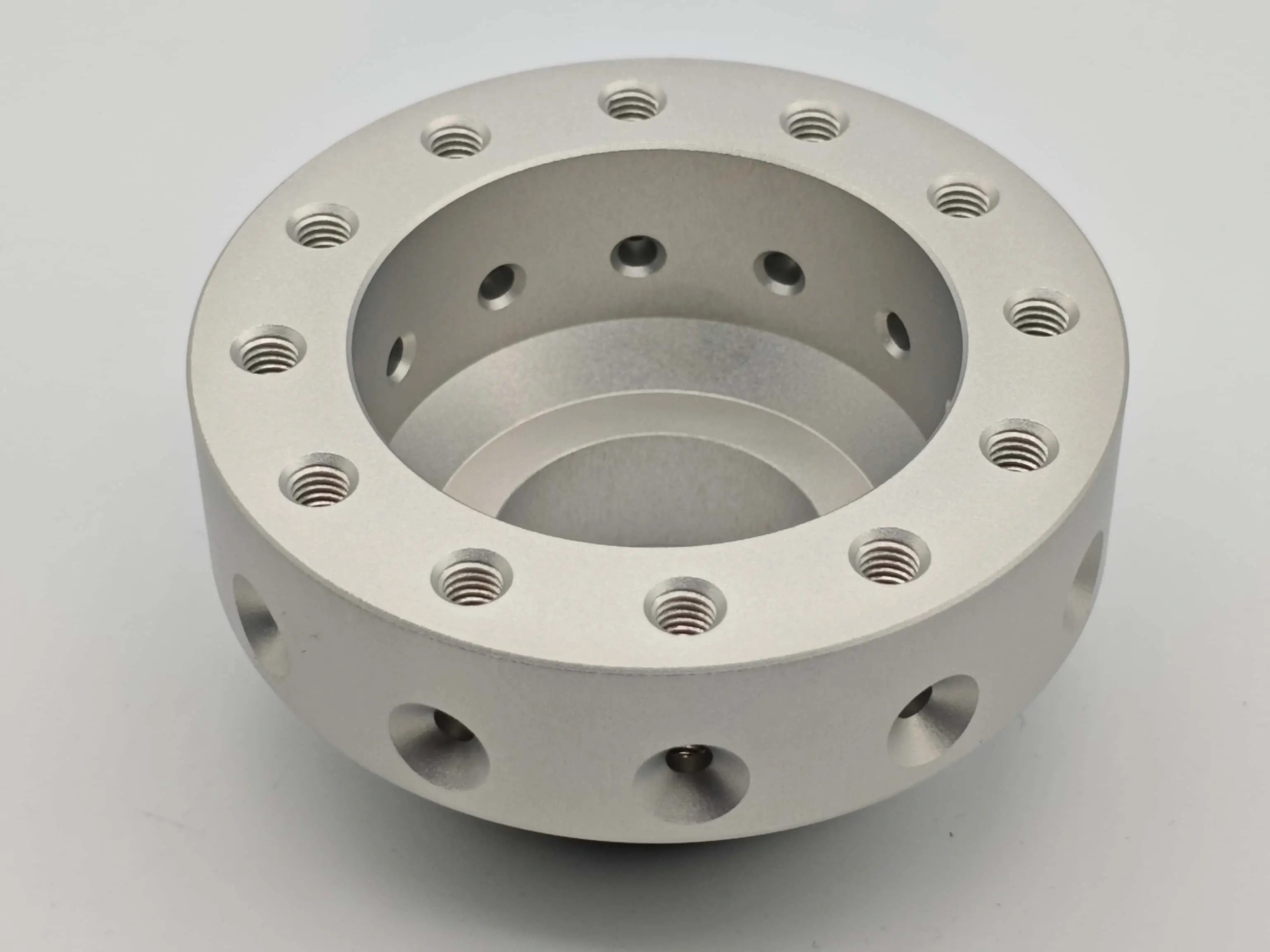
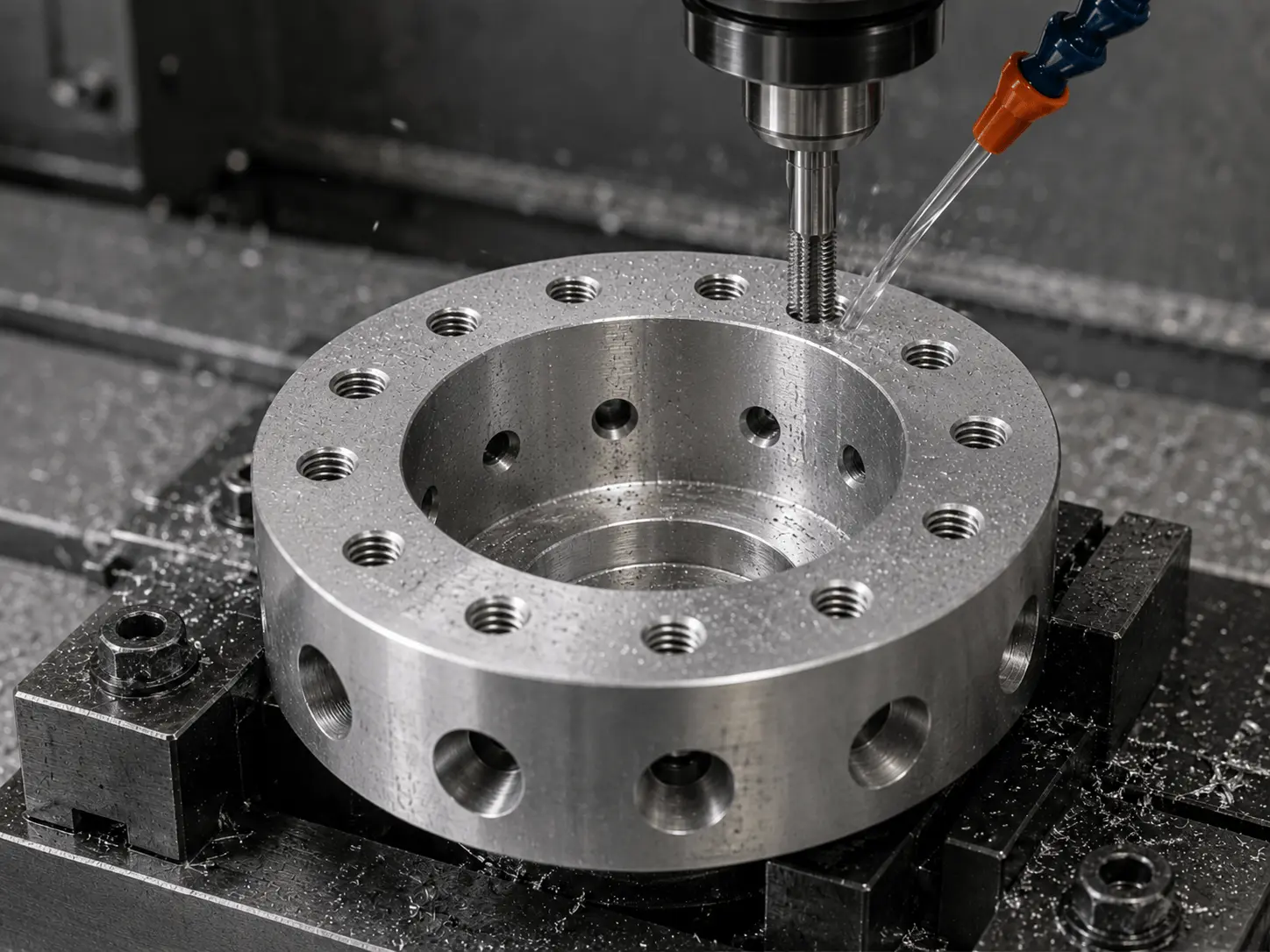
CNC Secondary Machining
Some projects need more than one process. Our rapid prototyping services can combine CNC machining with sheet metal fabrication, 3D printing, or molded-part support, then use CNC finishing to improve critical accuracy, surface quality, fit, and assembly performance.
View CapabilitiesCNC Prototyping Workflow for NPI Projects
Concept
Define prototype goals
Design
Turn concepts into CAD drawings
Prototype
Build functional prototypes fast
Validation
Test fit, function, and assembly
Optimization
Refine the design before production
Low Volume
Produce small batches
Delivery
Inspect, pack, and ship
Review Files
Review CAD files and requirements.
DFM & Quote
Reduce cost and lead time with DFM.
Prototype Build
Manufacture functional prototypes.
Test Feedback
Review fit, function, finish, and assembly.
Improve Suggestion
Suggest better material, machining route, and tolerance.
Small-Batch Run
Move from prototyping to production.
Inspect & Pack
Inspect key features, protect surfaces, and pack parts.
What Happens After You Send Your Files?
For each rapid prototype project, project managers, engineers, production, and quality teams work together from file review to shipment, helping prevent technical risks and keep the workflow moving quickly.
Confirms the application, prototype quantity, target lead time, and missing information so the project can move into production without avoidable delays.
Reviews 2D and 3D files, tolerances, threads, materials, finishes, and assembly relationships to confirm the rapid prototype is manufacturable.
Misread drawings, incomplete requirements, conflicting files, and late design changes that slow prototyping or cause rework.
Aligns the quote, technical requirements, prototype delivery priorities, and customer approval points before production starts.
Plans materials, machining sequence, fixtures, tools, gauges, finishing allowance, and critical inspection points for a smooth prototyping workflow.
Wrong materials, unsuitable processes, uncontrolled tolerances, and avoidable surface-treatment problems.
Shares production progress and flags schedule, drawing, or technical risks early to keep rapid prototyping work moving.
Approves the first part, monitors critical dimensions and surfaces, and stops the run if abnormal results appear.
Batch defects, repeated machining errors, process drift, and problems discovered only before shipment.
Confirms inspection records, packaging requirements, customer approval, and shipment release so completed prototype parts can move out without unnecessary delay.
Performs a full inspection before surface finishing and repeats the inspection after finishing to identify dimensional shifts, cosmetic defects, or other finish-related issues before release.
Finish-related tolerance shifts, cosmetic defects, missing quantities, mixed parts, and unsuitable packaging.
How to Choose the Right Rapid Prototyping Method
| Advantages | Disadvantages | |
|---|---|---|
| Rapid CNC Machining Prototyping | CNC rapid prototyping is ideal for functional metal and plastic parts that need production-grade materials, tight tolerances, smooth surfaces, and performance close to final production. | Usually costs more than 3D printing for early concept models. Lead time may increase with deep cavities, tight features, multiple setups, or complex finishing. |
| Rapid Sheet Metal Fabrication Prototyping | Rapid sheet metal prototyping is fast and economical for thin-wall brackets, panels, covers, and enclosures, especially when you need to validate structure, fit, and simple assemblies. | Less suitable for complex 3D geometries or fine internal features. Bending radius, sheet thickness, and forming rules also limit design freedom. |
| Rapid 3D Printing + CNC Machining | For some special prototyping of complex shapes, parts are 3D printed first and then CNC machined as a secondary process. Critical holes, threads, flat faces, sealing surfaces, and assembly features can be post-machined for better accuracy and fit. | Post-machining improves only selected features of a 3D-printed part. If your prototype requires production-grade material properties, tighter overall tolerances, better surface consistency, or reliable functional testing, full CNC machining is usually the better choice. |
| Rapid CNC-Assisted Hybrid Manufacturing | Flexible for rapid prototyping projects that combine forming, printing, molding, and CNC finishing. It improves critical surfaces, holes, threads, and fit where one process is not enough. | Multiple processes can introduce tolerance stack-up and fit variation. Differences between formed, printed, molded, and CNC-machined features can make overall dimensional consistency harder to control. |
Inspection, Assembly, Packaging, and Delivery
After rapid CNC prototype machining, parts are inspected, assembled when required, protected, and prepared for delivery.
Verify Before Release
Critical dimensions, threads, appearance, quantity, and assembly features are checked before the parts are approved for shipment.
- Dimensional and visual inspection of prototype parts
- Thread, fit, and assembly verification
- Critical dimensions rechecked after finishing
Prepare Parts for Use
Pins, inserts, fasteners, and simple components can be installed or trial-fitted when specified, helping verify how prototype parts will work together before delivery.
- Press fit pins and install inserts
- Install specified fasteners
- Trial-fit simple assemblies
Match Packaging to the Risk
Packaging is selected around material, surface finish, geometry, appearance requirements, and shipping risk to protect rapid prototype parts in transit.
- Separate finished surfaces and pack parts individually
- Protect threads, edges, and critical features
- Use foam, trays, or shock-absorbing materials
Release the Correct Order
Part number, quantity, packing instructions, and delivery information are verified before shipment. Packing photos and tracking details can be provided for rapid prototyping orders.
- Verify part numbers and quantities
- Provide packing photos or customer confirmation
- Shipping and tracking information
Why Choose Us?
Engineering Support
When comparing rapid prototyping companies, look beyond speed alone. Tuofa reviews structure, material, tolerances, and process details to improve manufacturability, reduce machining risk, and avoid unnecessary cost or delay.
Responsibility
Our prototyping services stay connected from file review through production, inspection, packaging, and logistics. Clear updates and early risk communication help keep each step moving smoothly.
High Quality Service
Tuofa focuses on stable quality and practical service rather than simply chasing the lowest price. We support customers from rapid prototypes and small batches through low-volume production with consistent communication and inspection.