Tel/WeChat:
  Email:


 Home
Home
Scotch Yoke Mechanism: How It Works, Design, and Machining Tips
Wide choices of mechanism are available for motion control elements. Elegant and reliable solutions can result from old and ‘primitive’ mechanisms. Among the earliest of such machines is the Scotch yoke mechanism. This is a small-footprint mac
 May 14,2026
What is GD&T? Purpose and Rules
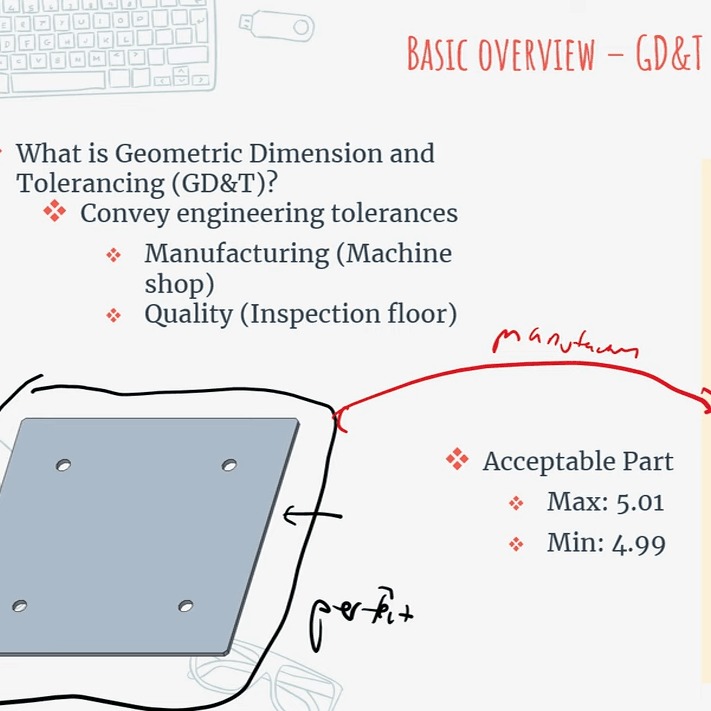
Geometric Dimensioning and Tolerancing (GD&T) is a vital aspect of engineering design and manufacturing, offering methodical approach to defining and communicating admissible limits of variation in a part's geometry. The purpose of GD&T is to
Sep 06,2024
11 Ways to Cut Titanium | Cutting Guide 2025
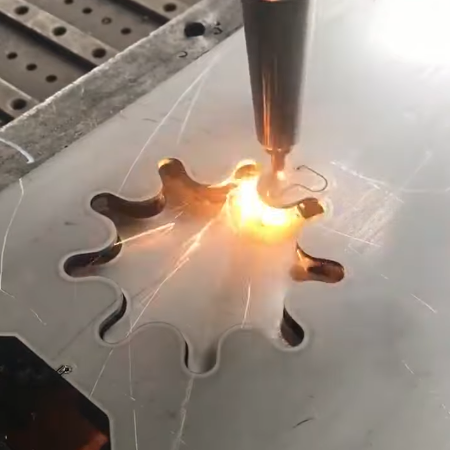
The aerospace, medical and automotives industry all employ titanium, which is light weight and has good corrosion resistance. It also has high strength to weight ratio. Machining of titanium is not a simple task because of its high hardness value and it i
Jul 24,2024
How to Get Waterproofing Products? From Design to Machining
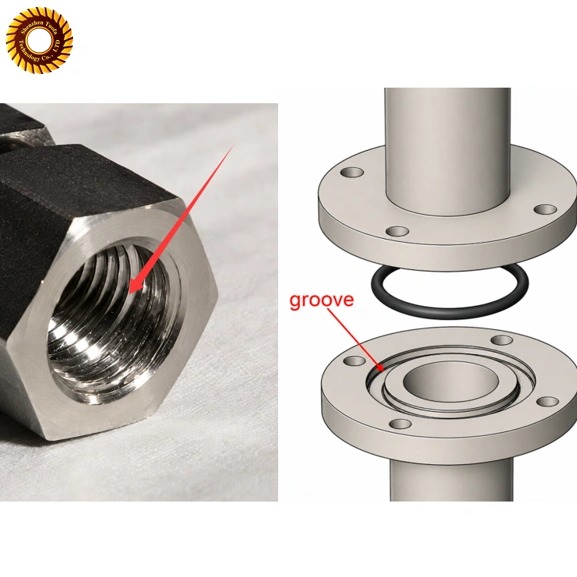
Numerous components around us are exposed to the outside environment. Some components are only prone to damage by water or dirt ingress. Others have a far more vulnerable situation. As examples, under-sea components need to work in standing salty water. S
Aug 22,2026
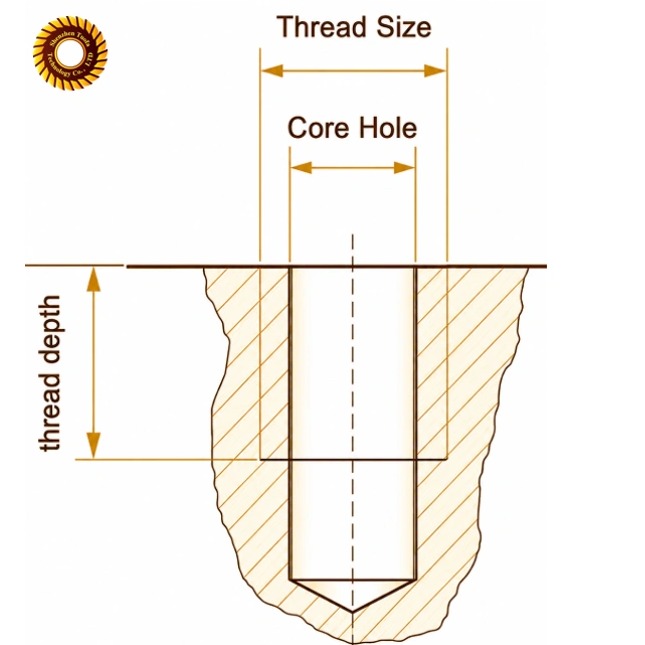
What Is Thread Depth? Design and CNC Machining Guidelines for Accurate Threads
The deeper the thread the more holding power you have. Do it wrong, and bolts strip, seals leak or joints fail under load. According to fastener engineering data, increasing thread depth from 75% to 100% will provide an additional approximately 5% strengt
Aug 14,2026
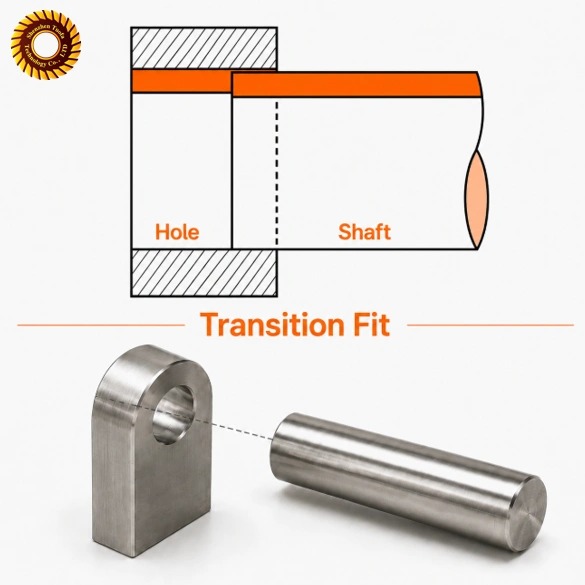
What is a Transition Fit? Applications, CNC Machining and Design
The type of mechanical fit used can make or break an engineering project. A transition fit is a widely used category that specifies that the parts be neither too loose nor too tight. This particular set of specifications can be achieved through manufactur
Aug 08,2026
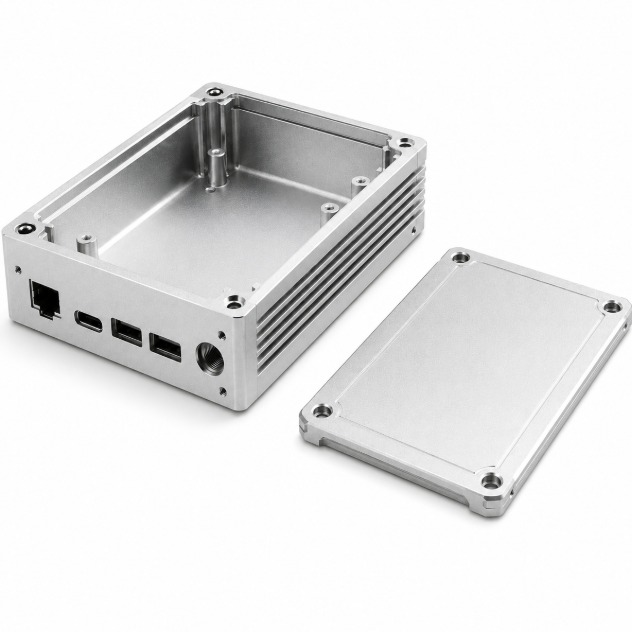
How to Design Your Aluminum Casing for Electronic Devices?
Designing an aluminum casing for electronic devices is not only about making a metal box look clean. A practical casing must protect internal electronic components, support internal components, allow connectors and buttons to work correctly, dissipate hea
Jun 05,2026
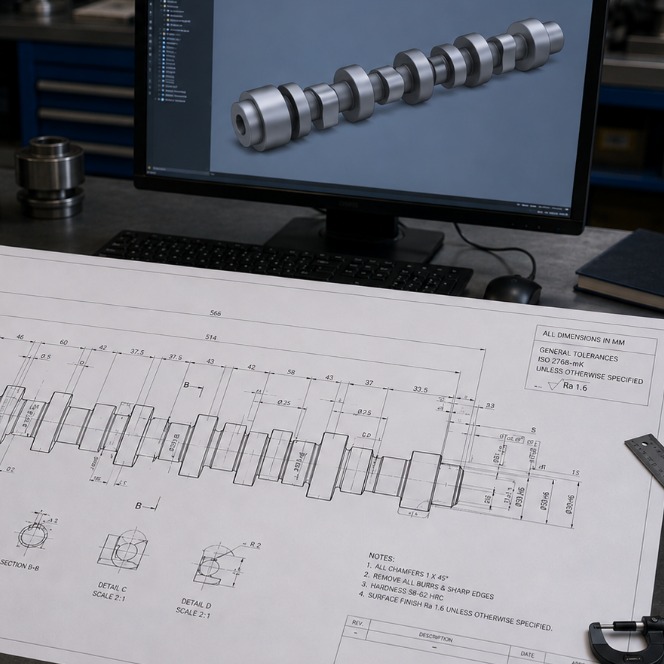
Efficient Part Design: Tips for Reducing Cost and Improving Parts Quality
It is very frustrating when a part doesn't meet the functional requirements even after a cumbersome focus on manufacturing. This inability to be functional might be instinctively attributed to manufacturing. But the real culprit could be the design. T
Jun 02,2026
Understanding EMI Shielding through Theory, Materials, Applications & Machining
EMI stands for Electromagnetic Interference (EMI). EMI shielding means to stop other electromagnetic waves from interfering with and disrupting the performance. Its performance mainly depends on the materials and machining processes. This study focuses on
May 29,2026
CNC Machining Support for Mechanical Capstone Project Prototypes
Mechanical capstone projects often need more than a good idea. A student team may need design feedback, materials, prototype parts, testing support, project sponsorship, or access to a machine shop. A faculty advisor may need reliable outside resources. A
May 21,2026
Brushed Parts: How to Get a Good Brushed Finish
Brushed metal parts not only bring an aesthetically pleasing appearance, but they also enhance certain functional characteristics. The smoother tactile feedback of a machine control panel clearly show the benefits of brush finish.. The brush finish proces
Apr 10,2026

STEP File Guide for Engineering Beginners
Clients often need to brief the suppliers about their designs. Quite often, there can be a mismatch between the native CAD software of the clients and the suppliers. STEP files solve this problem. If a CAD is exported as a STEP file, it can be opened in a
Apr 03,2026
Design for Manufacturing and Assembly: A Guide for Optimizing Parts
production times and costs for your projecDesign for manufacturing and assembly (DFMA) optimizes the product design to save production costs and improve the efficiency of production process. It considers production capabilities and limitations from the st
Mar 07,2026
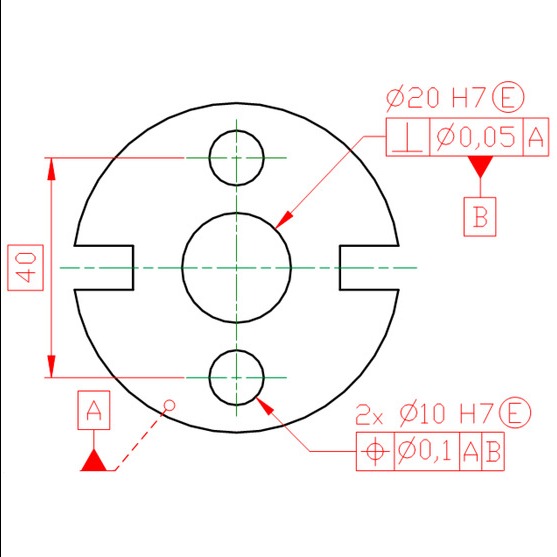
Geometric Tolerance: What, Why and How to Use?
The very first stage of creating a part is drawing, where its dimensions are decided. This geometry is then used to produce the part after selecting the raw material, machining processes, and machining. To avoid any undesirable variations from the basic d
Feb 20,2026
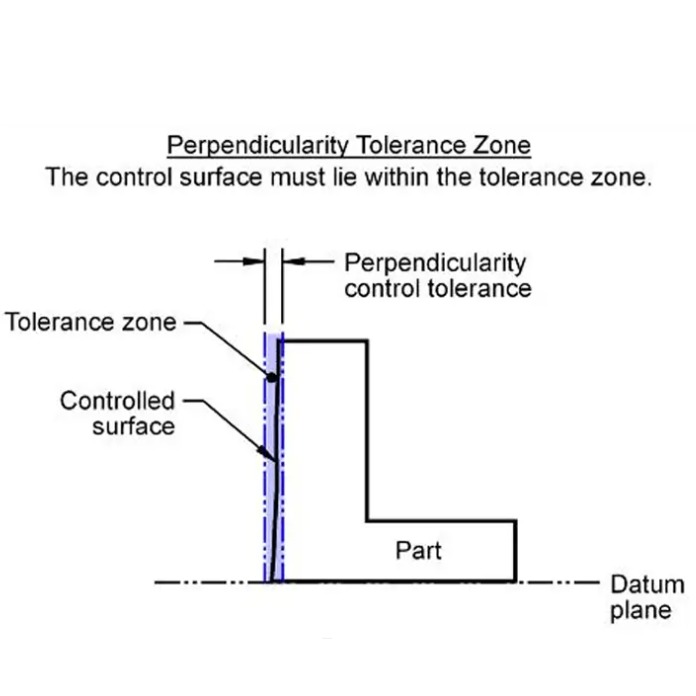
Perpendicularity in GD&T: Important Geometric Tolerance Symbol
In drawing and manufacturing, GD&T(Geometric Dimensioning and Tolerancing) is mainly used. Multiple terms are used in a drawing to show different dimensions. Perpendicularity is one of these terms to verify if a dimension is close to 90°. This art
Jan 29,2026
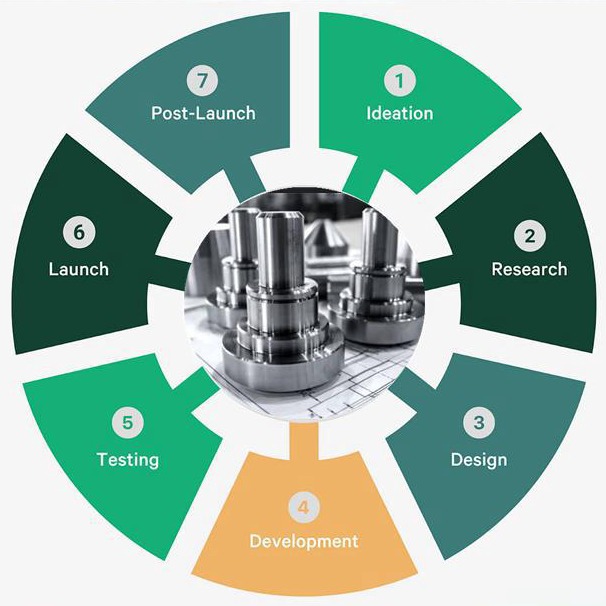
A Complete Guide to Know Product Development Life Cycle
The product development lifecycle (PDLC) characterizes the step-by-step process to make a product. For example, an industrial company making a mechanical product from an idea to a ready-to-use shape for its customers. This process also includes the proces
Dec 10,2025
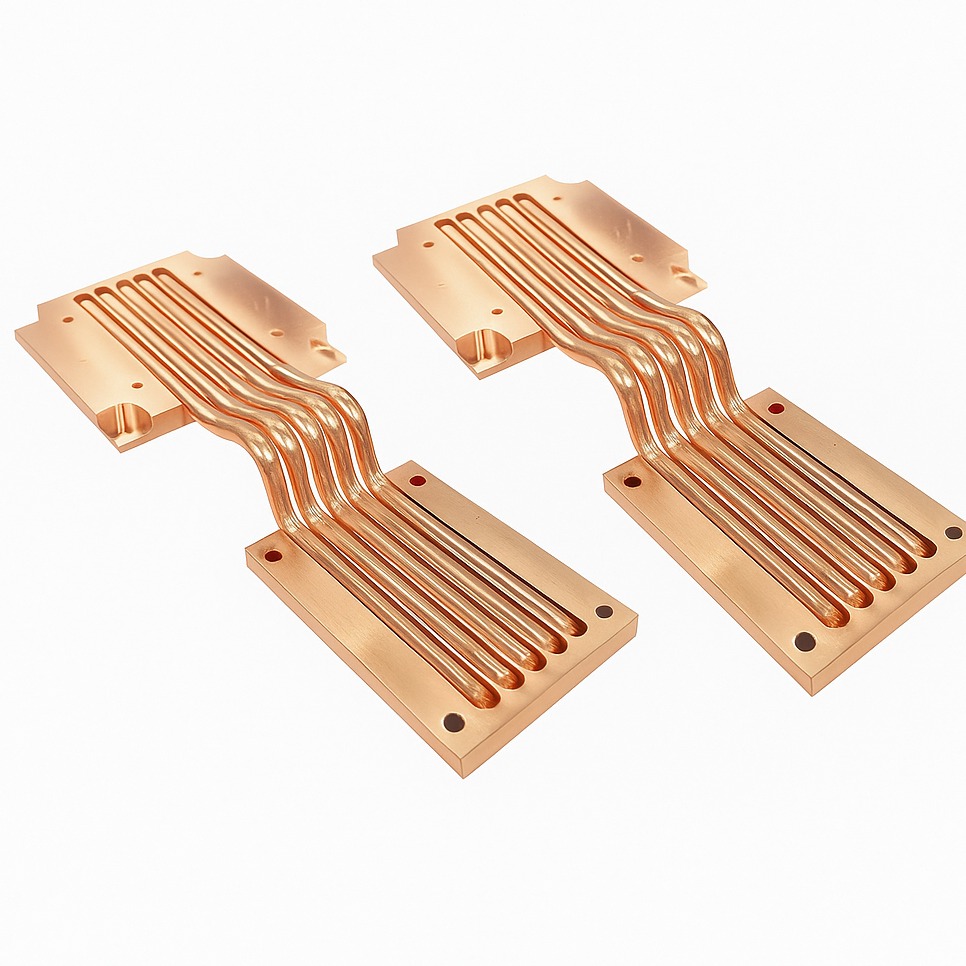
Copper CPU Heatsink: Design & Manufacturing Guide
Copper is an incredible material. People often value it for its high electrical conductivity. But besides it, copper is also a very good conductor of heat. So, it has the ability to conduct and transfer heat quickly. In CPU processors where dozens of tran
Dec 05,2025
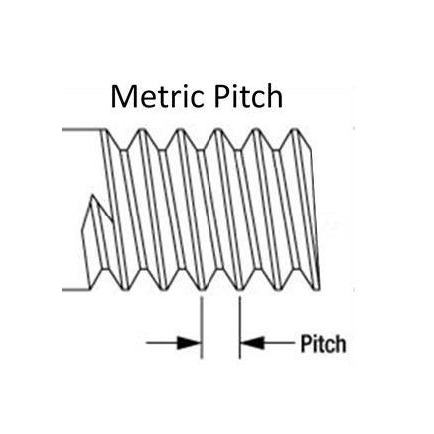
Thread Pitch: Charts, Design, Measurement & Machining
Thread pitch seems like a small detail. But, in actual, it can cause serious problems like bad fits, misalignment or even mechanical failure in extreme cases, if it goes wrong. For product designers, it is important to know how pitch works and its proper
Nov 21,2025

 You May Also Like


 Tel
Tel
 Email
Email
 Address
107, Huanguan South Road, Longhua District, Shenzhen, CN, 518110.