Tel/WeChat:
  Email:


 Home
HomePrecision Machining for Renewable Energy: CNC Parts, Materials, and DFM

 Published:Sep 24,2026
As a mechanical engineer for renewable energy equipment, you are likely to face challenges during new product development and prototype testing. Cyclic vibration is prone to lead to shifted fitting clearances, leakage at sealing structures, corrosion and fatigue failure of parts caused by harsh environment. These issues can be solved by precision CNC machining. This guide will help you improve the performance of parts used in renewable energy equipment.
Why Is Precision Machining Important for Renewable Energy?
There are rotating components, cyclic loads, fluids, and harsh environment in renewable energy machines. Control over dimension is very important in achieving proper machining. Specifications will depend on application and will vary from 0.0002 in concentricity of a 20 ft diameter wind turbine hub to ±0.01 mm tolerance of hydrogen electrolyzer flow passages.
Maintain Accurate Fits and Alignment
New energy equipment operates dynamically outdoors all the time. Wind turbine shaft, photovoltaic tracking structure and hydraulic transmission components have extremely requirements for coaxiality and mating precision. CNC machining can prevent equipment from abnormal noises, looseness, and structural misalignment of equipment by improve the tolerance accuracy of parts.
Control Critical Sealing Surfaces
Hydraulic systems, pumps housings, cooling systems, and offshore components need mating faces as well as seals. CNC precision machining can improve the surface flatness of the parts to prevent the equipment from the moisture, sand, and corrosive media, avoiding leakage, pressure drop, and equipment downtime.
An instance of the hydraulic offshore component is the 26-ft transition piece having flatness of 0.002 inches per foot. The specification of flatness, groove geometry, tolerance, and surface finish needs to match that of the seal.
Achieve the Required Surface Finish
Accurate surface finish can reduce the abrasion between moving parts, enhance the adhesion of the anti-corrosion coating. This means CNC machining can prolong the service life of parts used in renewable equipment.
What Renewable Energy Parts Can Be CNC Machined?
Wind energy components, hydropower components, solar energy components and geothermal energy parts are used in different situations, which determines the design and machining priorities for the parts. Learn about these renewable energy parts to identify optimization directions for your own components.
Wind Energy Components
Common machined wind energy components include:
- Gearbox shafts
- Pitch drive shafts
- Pitch drive pinions
- Couplings
- hub flanges
- Sensor and actuator brackets
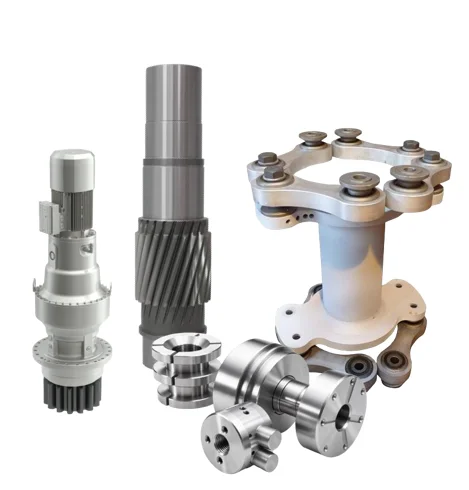
These parts normally need to sustain heavy loads, cyclic vibration, large day-night temperature swings and outdoor dusty environments.
The key pain points include:
- concentricity and fit tolerance
- Flatness of sealing surfaces
- Potential fatigue cracks
- Wear-resistant materials
Hydropower Components
Common machined hydropower components include:
- Guide vane bushings
- Guide vane pins / shear pins
- Linkage pins and bushes
- Shaft sleeves
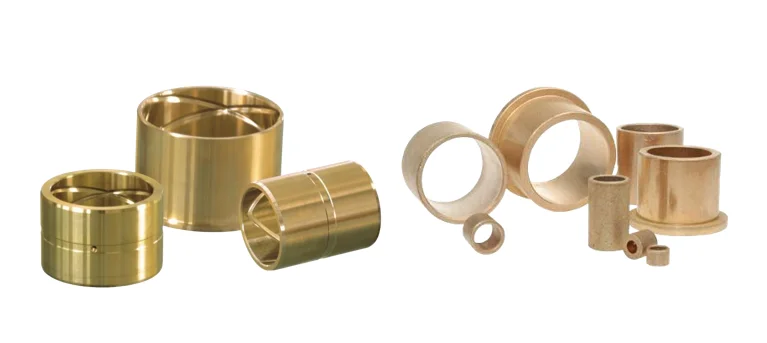
They are usually used in harsh operation conditions like long-term immersion in water, constant hydraulic pressure, water flow erosion and medium that easily causes pitting corrosion.
The key pain points include:
- avoid leakage under high pressure
- resist deformation under hydraulic impact
- reduce friction and wear
- resist aqueous corrosion
Solar Energy Components
Common machined solar energy components include:
- bearing housing
- Precision bracket adjuster
- Solar panel mounting clamps
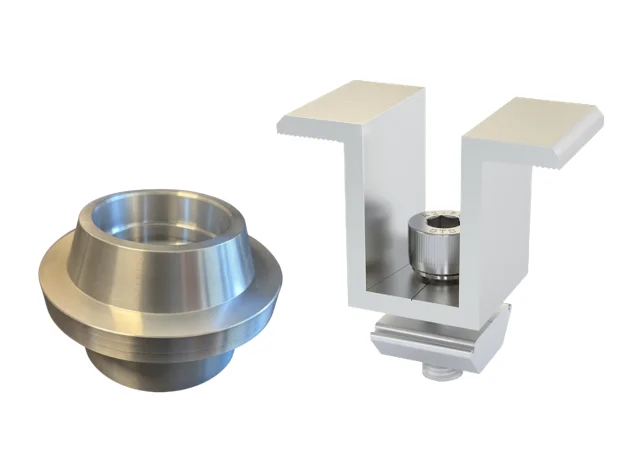
These machined parts are typically exposed to harsh outdoor conditions like ultraviolet radiation, wind, rain and dust erosion.
The key pain points include:
- prevent shaft jamming
- realize synchronous movement of brackets
- boost adhesion of coatings
- minimize thermal deformation caused by temperature changes
Components for Geothermal Energy
The geothermal power generation equipment consists of wellhead components, downhole tool housing, and heat exchanger plates that need to resist high temperatures, pressures, and corrosive brine environments. The appropriate materials will depend on the operating conditions and could include stainless steels, nickel-based alloys, and coatings.
The table below summarizes typical CNC parts and their machining concerns.
|
Sector |
Typical CNC Parts |
Primary Machining Concern |
|---|---|---|
|
Wind |
Main shafts, gear box housing, hub flange |
Toughness, Bore Concentricity |
|
Hydropower |
Turbine runner, wicket gate, valve body |
Envelope dimensions, sealing surfaces |
|
Solar |
Tracker mount, heat sink, slew bearing housing |
Repeatability in volume, Weight |
|
Geothermal |
Well head components, heat exchange plates |
High temperature, corrosion resistance |
CNC Machining Renewable Energy Parts
We have learned the types of renewable energy parts and their operating conditions, now let us tell you how CNC machining can optimize your parts based on the operating environment and assembly requirements. As we all know, CNC machining can create diverse features and complex geometries by milling, turning, grinding, etc.
CNC Machining Wind Energy Parts
Fatigue resistance capability is vital for wind energy parts like pitch shafts, nacelle support bases. It is important to reduce fatigue risk included by cyclic vibration, and maintain sealing surface quality and slow wear of bearings and mating surfaces.
Wind turbine bushing, small pins, yaw bushings and miniature sealing seats in the wind turbine gearboxes endure continuous cyclic loads over long service life. Therefore, when manufacturing these parts, transition radii but not sharp corners are preferred to reduce fatigue crack risk. Turn-mill machining is used to avoid re-clamping which ruins concentricity when machining small pins
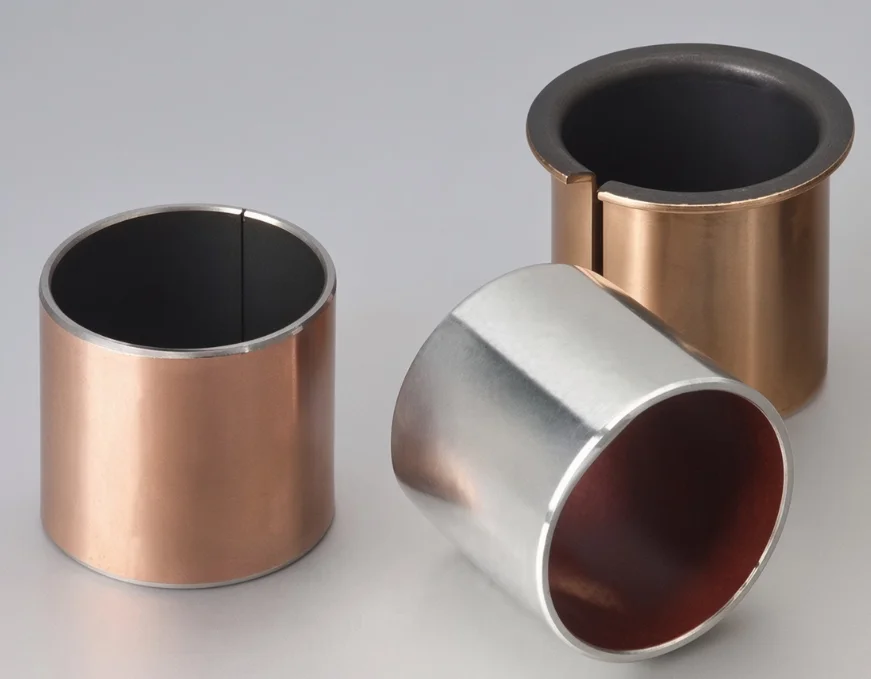
Sealing is the second important function. When machining deep and narrow grooves, layered milling is adopted and tool overhang is controlled. This can reduce residual dress.
CNC Machining for Hydropower Parts
Erosion and wear resistance is vital for hydropower parts. Small hydropower control valve spools, compact guide vane small pins, miniature sealing retainer rings operate in sediment-laden water environments, which can easily cause wear of parts. Precision CNC finishing can reduce the surface roughness and minimize micro pits to mitigate sediment erosion. When machining the surface of these parts, using low feed rate can form consistent cutting texture. Deburring edge of sealing grooves can mitigate wear.
CNC Machining for Solar Energy Components
Priority of core requirements of solar energy parts is dimensional stability. Excessive temperature differences can lead to the release of residual stresses during processing, thereby causing deformation of the part. That is why it is important to apply stress relief after machining aluminum parts.
Common Materials Used in CNC Machining Renewable Energy
Choosing materials right or not can directly affect the service life, failure risk and sealing performance of parts. The materials selection should be determined based on the operating environment of renewable energy CNC components.
Aluminum Alloys for Lightweight Applications
Common aluminum grades for renewable energy parts: 6061-T6、7075-T6、5052.
Advantages of aluminum for renewable energy parts are low density, good machinability, excellent thermal stability, cost-effective, easy anodizing for corrosion resistance
Limitation: Its fatigue strength is lower than that of steel, which makes aluminum isn't suitable for high-pressure hydrogen or heavy erosion environments.
Common aluminum renewable parts include solar tracker structural parts, wind turbine auxiliary housings, lightweight brackets, sensor bases.
Stainless Steel for Corrosive Environments
Common SS grades for renewable energy parts include 304, 316L, 17-4PH.
Its outstanding advantage is corrosion resistance. Common stainless steel renewable parts are sensor fittings, low-pressure hydrogen components.
Alloy Steel for High-Load Applications
Common alloy steel grades are C45(CK45), 4140, 8620.
The advantage is that this material has high tensile strength and outstanding fatigue resistance, and good wear resistance. These features make it suitable for components bearing alternating cyclic loads.
Renewable alloy steel parts include wind gearbox pins, yaw bushings, hydraulic valve parts for hydropower, load-bearing shafts.
The drawback is that alloy steel is prone to rust if it doesn't apply any surface treatment.
Bronze Alloys for Wear and Water Exposure
C93200 bearing bronze (strength approximately 240 MPa) is widely used in bearings and wear plates for hydro-electric and seawater exposed equipment because of its adequate corrosion resistance in addition to being a good bearing material for steel shafts.
Titanium and Nickel Alloys for Extreme Environments
Ti-6Al-4V (Ti64) is the typical titanium grade used for renewable parts.
It is commonly used to manufacture high-pressure hydrogen fittings, high-temperature geothermal sensor connectors, critical corrosion-prone parts due to its high strength-to-weight ratio and excellent corrosion resistance.
Here is an example of how the trade-offs actually happen. For the wind turbine main shaft, the weight factor is very important since its weight will be added to the tower, foundation, transportation, and lifting loads. However, the number of torque load cycles experienced over the lifetime of a turbine is enormous, and therefore, fatigue resistance becomes paramount, which favors alloy steel over aluminum. Weight reduction can then be achieved through optimal design considerations, hollow bore design, large fillets to reduce stress concentrations, and stripping off non-stress areas through FEA.
When choosing materials for CNC parts for renewable energy sources, it is also important to look at the compatibility of the mating materials. Contact of aluminum with stainless steel in a wet or saline environment can result in a galvanic pair where aluminum is preferentially corroded.
Surface Treatments After CNC Machining Renewable Energy Parts?
Almost all of the renewable energy parts require an additional post-treatment operation that provides them with anti-corrosive properties, mechanical resistance, or particular electrical or aesthetical properties.
Anodizing for Aluminum Components
Anodizing can form a protective hard oxide layer on aluminum surface. It can improve wear resistance and corrosion resistance for solar tracker brackets and wind auxiliary aluminum housings. This coating is stable and suitable for solar structures exposed to large temperature swings.
Galvanizing Steel Parts
Galvanizing provide a protective zinc layer to protect parts from rust, commonly used for low-load wind power structural pins and outdoor auxiliary steel parts. However, it isn't suitable for parts under high cyclic fatigue or high-pressure hydrogen environments.
Passivation for Stainless Steel Parts
The passivation process involves using either nitric acid or citric acid to strip out the iron from the surface, enabling the formation of the chromium oxide film that makes stainless steel corrosion resistant. It can protect hydropower valve spools and geothermal fluid fittings from corrosion.
Can Water, Wind, and Sand Damage Protective Coatings?
Yes. Sand-containing air erodes leading edge components as well as coated components, and moving water causes cavitation damage to hydropower runners and valves. Countermeasures include using harder or thicker coatings in the high-wear areas and maintenance plans that view some wear components as replaceable and not permanent.
DFM Review for CNC Machining Renewable Energy Parts
DFM review from CNC manufacturer can help you reduce the machining risks and reduce the costs by optimizing the some complex features. Tuofa provides DFM review for each part included in a project to ensure your parts are manufactured perfectly.
Simplify Internal Flow Features
Do not make fully enclosed flow channels in a solid piece of material, as it is much more reasonable to use machining to cut open the flow channel from one side of the part, then seal it by a cover plate and a gasket. Such approach simplifies the tooling, reduces cycle time and makes inspection of the flow channel possible before assembly.
Simplify Sealing Features
Use standard dimensions of the O-ring groove and reduce the number of distinct sealing surfaces in the part to reduce machining time and the number of potential leakage sources. When possible, combine several smaller sealing surfaces into one large surface that will be easier to machine.
Separate Complex Functions into Simpler Components
Machining two or three separate components that will be assembled together using bolts is often less costly.
What Are Common Failure Mechanisms of Renewable Energy Parts?
The knowledge of how failure happens in service will guide proper design and selection of materials before the equipment is ever put into service.
Fatigue Cracking Under Cyclic Loads
Wind turbine shafts, blades, and gears are subjected to millions of loading cycles during their 20-year service period. Fatigue crack initiation occurs in these components due to stress concentrations like fillets, machining notches, and subsurface defects, which makes surface finish and fillet radius equally important as material strength.
Hydrogen Embrittlement
Some electroplating treatments for high-strength steel fasteners and springs introduce hydrogen into the part, thus rendering them vulnerable to cracking under load without any warning. High-strength fasteners treated in this manner normally need to be baked soon after the plating operation to remove hydrogen from the material.
Wear of Moving and Contact Components
The pitch and yaw bearings, valve seats, and bushings experience very slow wear through cyclic loading. The material selection for the shafts and bearings and appropriate surface finish and lubrication play an important role when it comes to service interval extension in comparison to design based only on static strength.
Why Should You Choose Tuofa CNC for Your Renewable Energy Project?
There are some differences between sourcing CNC parts for renewable energy systems and ordering CNC parts like any other machine shop. The difference is due to the variety of part numbers, materials, and surface finishes.
Manage High-Mix Low-Volume Projects Efficiently
Production planning at Tuofa CNC is based on high-mix-low-volume operations. So, a project which involves dozens of unique part numbers in small volumes will flow efficiently and without any penalty related to scheduling.
Evaluate Material and Surface Finish Compatibility
The compatibility of material combinations and coating specifications is reviewed prior to the start of any machining operation at our facility to prevent galvanic issues or unreasonably tight surface finish call outs.
Integrate Machining and Assembly for Project Delivery
In addition to individual components manufacturing, we can perform sub-assembly and light assembly operations to save you the hassle of coordinating with a number of vendors and shorten the supply chain.
Conclusion
CNC precision machining impacts virtually all aspects of the renewable energy system, starting from the shaft of the turbine to the bracket in the solar tracker system. By ensuring proper tolerance levels, material choices, and surface treatments are selected during the design phase, we can avoid problems such as leakage, fatigue cracking, or galvanic corrosion occurring after several years of operation. For engineers who are going to develop their energy system or implement a spare parts program, cooperation with a machining service that will consider the above-mentioned trade-offs since the beginning of the design phase will pay off.
FAQ
Which renewable energy parts need the tightest CNC tolerances?
The parts which require precise CNC tolerance include the rotary parts which have contact with bearings or seals, i.e., the shaft itself, bearing bore, and sealing surfaces. These will often have CNC tolerances of ±0.01 mm to ±0.02 mm.
Is CNC machining suitable for small renewable energy projects?
Yes. Since there is no hard tooling involved in CNC machining, it is cost-effective in terms of both prototyping the first wind turbine and producing several hundred. That is why many renewable energy ventures employ the same company for prototyping and production.
What are CNC Machining Applications in Renewable Energy?
Applications include structural brackets, rotating shafts and bearings, sealing components, hydraulic components, heat exchangers and enclosures, and all other components which demand a particular CNC tolerance or finish.
 What Is Black Chrome and Is It Suitable for Your Parts?