Tel/WeChat:
  Email:


 Home
HomeMaraging Steel Guide: Grades, Properties, Applications & CNC Machining

 Published:May 30,2026
Maraging steel is a remarkable alloy with exceptional strength and toughness with 17 to 19% nickel content. Unlike other steel alloys, which get their strength from carbon content, maraging gets its strength via martensite state and aging. For engineers who are looking for high-strength steel for CNC parts, it is essential to learn about maraging steel because it is an ideal material for CNC machining. This guide will help them make a wise decision while material selection. This guide explains maraging steel grades, properties, applications, and CNC machining considerations to help you make a wise decision while material selection.
What Is Maraging Steel?
As said before, maraging steel is a nickel-based steel alloy with low carbon content. It is known for excellent strength, toughness, and a high strength-to-weight ratio. The name “maraging” comes from martensite aging, a process in which the alloy gains strength through precipitation hardening after forming a martensitic structure. But what makes MS steel so strong: nickel or low carbon content or other alloying elements?
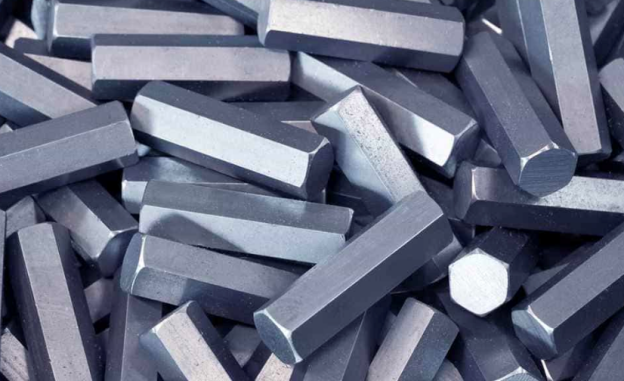
What Makes Maraging Steel So Strong?
Traditional steels rely on carbon content for their hardness. But maraging does not. MS carries low carbon content and unique combinations of nickel, cobalt, molybdenum, and titanium. Alloy gets its actual strength from unique treatment. Initially maraging alloy is rapidly cooled, during which martensite is formed.
Now its subjected to low-temperature heat treatment. Elements such as molybdenum, titanium, and nickel form fine precipitates within the martensitic matrix. Making the matrix more dense, hard and strong. These fine precipitates strengthen the matrix and are the key reason for the alloy’s high strength.
Why Maraging Steel is Widely Used?
Above mentioned high tensile strength (2400 MPa) of maraging alloy combined with low brittleness and ease of weldability enables its use in high-performance engineering applications.
Maraging Steel Chemical Composition
Based on its unique tensile strength, maraging steel is classified in further grades like C250, C300 and C350. Here we are discussing the chemical composition of Maraging steel, C300. The following table illustrates chemical composition of Maraging steel:
|
Element |
Composition Range (%) - Grade C300/300 |
|---|---|
|
Carbon (C) |
≤ 0.03 |
|
Silicon (Si) |
≤ 0.10 |
|
Manganese (Mn) |
≤ 0.10 |
|
Sulfur (S) |
≤ 0.010 |
|
Phosphorus (P) |
≤ 0.010 |
|
Cobalt (Co) |
8.0 - 9.5 |
|
Nickel (Ni) |
18.0 - 19.0 |
|
Molybdenum (Mo) |
4.6 - 5.2 |
|
Titanium (Ti) |
0.55 - 0.80 |
|
Aluminum (Al) |
0.05 - 0.15 |
|
Iron (Fe) |
Balance |
Why Low Carbon Matters
Reducing carbon content in steel makes a huge impact on its overall performance. Like in maraging steel, carbide networks is not formed, which causes brittleness. In place of this network martensitic matrix is formed, which is responsible for high strength. Low carbon content also makes its weldability and aging easy because steel remains soft and ductile before heat treatment.
Mechanical & Physical Properties of Maraging Steel
Maraging steel has unique physical and chemical properties like high tensile strength and toughness. These properties make it suitable for high-performance applications after proper aging treatment; its properties are further enhanced due to the formation of intermatrix precipitates. Here we will discuss the physical and mechanical properties of Maraging steel.
Physical Properties
Physical properties of maraging steel have a strong influence on its CNC machining. Here have gathered physical properties for Maraging 200 and 300 in given table.
|
Property |
Typical Value / Range |
|---|---|
|
Density |
8.0-8.1 g/cm³ |
|
Crystal Structure |
Martensite (BCC); retained austenite (FCC) |
|
Lattice Parameter |
Martensite: 2.856-2.862 Å; Austenite: 3.58 Å |
|
Thermal Conductivity |
19.68-20.93 W/m·K (20-100°C) |
|
Electrical Resistivity |
60-70 µΩ·cm (solution annealed); 35-50 µΩ·cm (aged at 485°C for 3 h) |
|
Melting Temperature |
1430-1445°C |
|
Transformation Temperature |
Ms: 145-200°C; Mf: 77-145°C; As: ~445°C |
|
Dimensional Change During Aging |
−0.06 to −0.10% |
Density
Maraging steel is more difficult to machine in the aged condition because its hardness and strength increase significantly after aging.This condition requires rigid setup, suitable cutting tools, controlled feed rates, lower cutting speeds, and effective coolant. But performing its CNC machining in annealed form is considered best, as it has low hardness (up to 35 HRC) in annealed form.
Machinability in the annealed form is high compared to the aged form. Ageing after machining causes a shrinkage of 0.05 per cent. That's why at Tuofa, our experts suggest machining the annealed part to the near net shape and then performing ageing.
Thermal Conductivity
Compared to other steels, like low carbon steel, which shows thermal conductivity is range of 45 to 50 W/m·K, maraging has low thermal conductivity. In annealed and in aged form, it shows low thermal conductivity.
Heat is generated by rubbing the cutting tool over the surface of material, which generates heat. Due to low conduction, this heat is entrapped at a place, causing tool wear and making chip control more difficult. That's why, while machining, high-quality coolant is required.
Mechanical Properties
Exceptional mechanical properties are what makes maraging steel useable in advanced applications. Here we have put together the mechanical properties of aged maraging Steel:
|
Property |
18% Ni 200 |
18% Ni 250 |
18% Ni 300 |
18% Ni 350 |
|---|---|---|---|---|
|
Yield Strength (0.2% Offset) |
1310-1550 MPa |
1650-1820 MPa |
1780-2060 MPa |
2270-2480 MPa |
|
Ultimate Tensile Strength |
1340-1580 MPa |
1680-1860 MPa |
1820-2100 MPa |
2300-2510 MPa |
|
Elongation |
11-15% |
10-12% |
7-11% |
6-10% |
|
Hardness (HRC) |
44-48 |
48-50 |
51-55 |
56-59 |
|
Fracture Toughness (Ktc) |
101-176 MPa√m |
98-165 MPa√m |
88-143 MPa√m |
44-82 MPa√m |
|
Endurance Limit (Smooth Bar, 10⁸ Cycles) |
620-795 MPa |
620-760 MPa |
760-900 MPa |
690 MPa |
Ultra-High Strength
With its high strength, as mentioned in table maraging is used for manufacturing components that are subjected to high stress. For instance, in Aerospace industry, landing gear of aircraft are manufactured using Maraging steel. Such high strength is a result of martensit formation and precipitation hardening.
Excellent Fracture Toughness
Traditional carbon-based alloy steels are brittle due to formation of carbides. Maraging steel poses a very low content of C that eliminates the risk of the formation of carbides. In maraging steel, the Ni-Fe matrix is soft and ductile before aging. That's why its has excellent fracture toughness.
High Fatigue Resistance
What contributes to high fatigue resistance is its high tensile strength and absence of carbides. This enables the material to bear cyclic stress. That's why it's used for manufacturing of components under continuous stress, for example, high-performance shafts.
Good Ductility
Good ductility results from its low-carbon martensitic matrix. Which is strengthened by fine precipitation rather than brittle carbides. Such a matrix allows plastic deformation without premature fracture.
Common Maraging Steel Grades
As said earlier, maraging steel is a class of steel alloys with exceptional yield strength, hardness and ductility. Based on its yield strength and chemical composition, maraging steels are further subclassified as 18Ni(250), 18Ni(300) and 18Ni(350). We will discuss these grades a bit more and effect of their yield in their application. But before that, here we have tabulated the chemical composition of these Maraging alloy steels:
|
Grade |
Ni (%) |
Co (%) |
Mo (%) |
Ti (%) |
Fe (Balance) |
Typical Strength (MPa) |
|---|---|---|---|---|---|---|
|
18% Ni 200 |
18.0 |
8.5 |
3.0 |
0.2 |
Balance |
1380 |
|
18% Ni 250 |
18.0 |
8.0 |
5.0 |
0.4 |
Balance |
1720 |
|
18% Ni 300 |
18.0 |
9.0 |
5.0 |
0.6 |
Balance |
2050 |
|
18% Ni 350 |
17.5 |
12.5 |
3.75 |
1.7 |
Balance |
2390 |
Maraging Steel 250
Maraging steel 250 has comparatively lower tensile strength than 18Ni(300) and 18Ni(350); this is because of lower Co, Mo content. At the same time, it offers better ductility due to its clear, soft martensitic structure. It finds its application where good toughness and ductility are key, such as in aerospace landing gears.
Maraging Steel 300
When it comes to maraging steel 300, it stands in between the 250 and 350 grade MS alloy steels. Showing better hardness than MS 18Ni(250). If you need balance in strength and toughness choose maraging steel 300 for your next tooling project.
Maraging Steel 350
With higher cobalt and titanium content, maraging 350 offers the highest strength among these common grades, but its ductility and toughness are lower than those of maraging 250 and 300. But compared to other lower grades, it has lower ductility. The martensitic matrix becomes less flexible and more notch-sensitive. This results in reduced elongation and lower ductility compared with lower-strength grades.
How to Choose between 250, 300 and 350
Selecting between grades of MS alloy steel depends upon its specific application of components. You must know the purpose, either its strength, hardness or ductility. You must be aware of the environment under which the components will be used; for example, for high strength and good fatigue resistance, prefer C300.
Here we have put together a table that will help you understand how to choose between all these grades.
|
Grade |
Strength Level |
Toughness |
Machinability |
Relative Cost |
Preferred Industries / Applications |
|---|---|---|---|---|---|
|
Maraging 250 |
High |
Excellent |
Better than higher grades |
Lower |
Aerospace tooling, shafts, molds, structural components. |
|
Maraging 300 |
Very High |
Good |
Moderate |
Medium |
motorsport parts, defense systems, |
|
Maraging 350 |
Ultra-high |
Lower compared to 250/300 |
More difficult due to extreme hardness |
Highest |
Rocket motor casings, missile systems, |
What Is Maraging Steel Used for?
Based on its exceptional physical and mechanical properties Alloy maraging steel finds its applications in multiple industries. For its high tensile strength and toughness its used in aerospace component manufacturing. Here is more detail about its applications:
Aerospace Components
In aerospace, where high tensile strength, high strength-to-weight ratio, toughness and fatigue resistance are key, materials like maraging steel stand out. Its used for manufacturing of landing gears and structural components. These components remain under continuous stress; that's why other carbon-based steel fails to perform here and can get cracks over time.
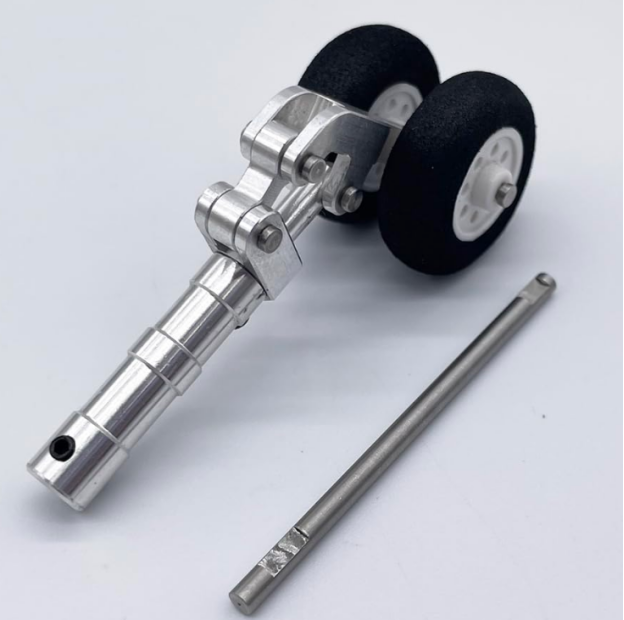
Automotive Industry
In the automotive industry high-precision components such as shafts and suspension links are manufactured using Alloy MS. Other carbon steels undergo quenching or post-treatments that can significantly affect their dimensions. In case of maraging steel its machined in annealed form and then again. So no dimensional inaccuracies appear. Also used for Formula 1 components is its high strength-to-weight ratio.
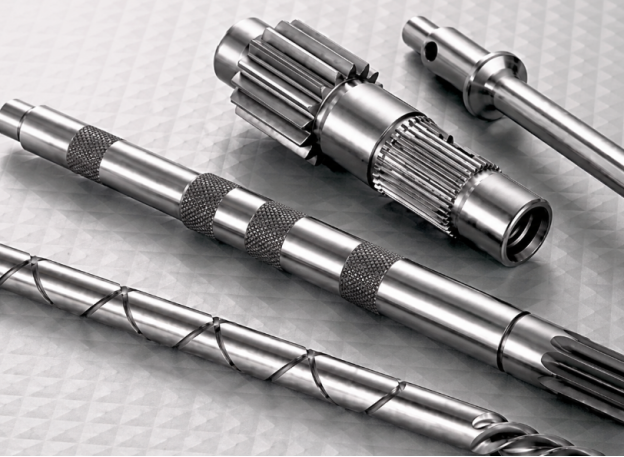
Defense and Military Industry
Alloy MS delivers an uncommon combination of extreme strength, fracture toughness, fatigue resistance, and dimensional stability. Which conventional carbon steels struggle to achieve simultaneously. That's why its used to manufacture components like Missile motor casings, precision guidance housing and more.
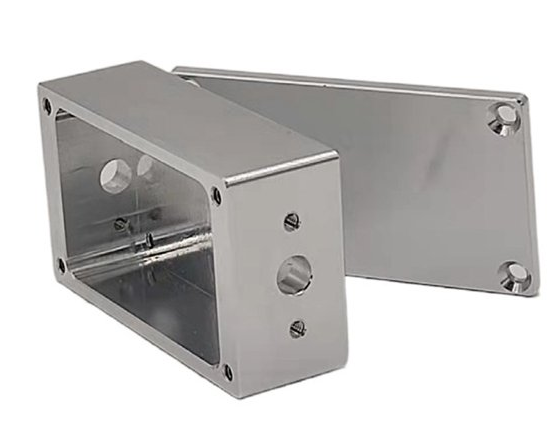
Mold and Tooling
Components in mold and tooling industry require high precision and capacity of cyclic load bearing. Traditional carbon steel fails to offer both these. That's why steel Maraging alloy is utilized for manufacturing of injection mold cores, die-casting inserts and precision stamping punches in mold and tolling industry.
Is Maraging Steel Easy to Machine?
Answer of this question lies in state of maraging steel, whether in annealed form or aged form. In annealed for the Ni-Fe matrix and soft and ductile, making it easy to machine and easy to weld. After aging, fine precipitates strengthen the martensitic matrix, making the material much harder and more difficult to machine. Such structure is difficult to machine and requires specialized tooling.
Why Maraging Steel Is Easier to Machine Before Aging?
Before aging, the alloy is easier to cut because it has not yet reached its final hardness. The material has a relatively ductile nickel-iron martensitic matrix.This matrix is ductile and soft, making it easy to machine. Compared to hard martensitic structure after aging.
Common CNC Machining Challenges of Maraging Steel
When working with maraging steel, engineers face many challenges that require strategic planning to overcome them. Here are some common challenges:
- Tool wear acceleration occur especially on carbide tools
- Work hardening tendency if feed/speed is not optimized
- Heat concentration at cutting zone because of moderate thermal conductivity
- Poor chip breaking occur due to edge build-up. Leading to long, stringy chips
- Vibration (chatter) issues in thin or complex geometries
How to Machine Maraging Steel?
As said early machining Maraging require specilized techniques and strategies; here is what our experts suggest for this.
Machine Before Aging
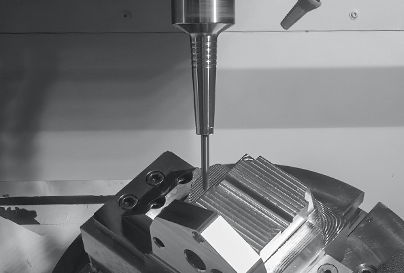
Preferably do the machining of component before subjecting it to aging. At this stage the material is soft and has no carbon content. It doesn't show any brittleness, and there is very little to no dimensional distortion after ageing the machined components.
Use High-Performance Cutting Tools
Although machining in annealed form is easy, it still has good strength, requiring a high-performance cutting tool. Tools made with Cubic Boron Nitride (CBN) or coated with TiAlN.
Control Heat During CNC Machining
When a cutting tool works on a component, the friction generates heat. Such heat can cause tools to wear as well as thermal expansion at a component. This affects its dimensional accuracy. That’s why coolants are used to control the heat generated during CNC machining.
Surface Treatment for Maraging Steel
Despite of high strength, toughness and ductility, many CNC components undergo surface treatment specifically to enhance their typical properties. Here are most commonly used surface streams for maraging alloy steel.
Nitriding
Nitriding is suitable for components exposed to high surface loads, friction, and cyclic stress. For example, in the automotive and aerospace industries, engine valves and crankshafts are subjected to nitriding. Such treatment makes the nitride complex with Fe making it stronger and better in fatigue resistance.
Polishing
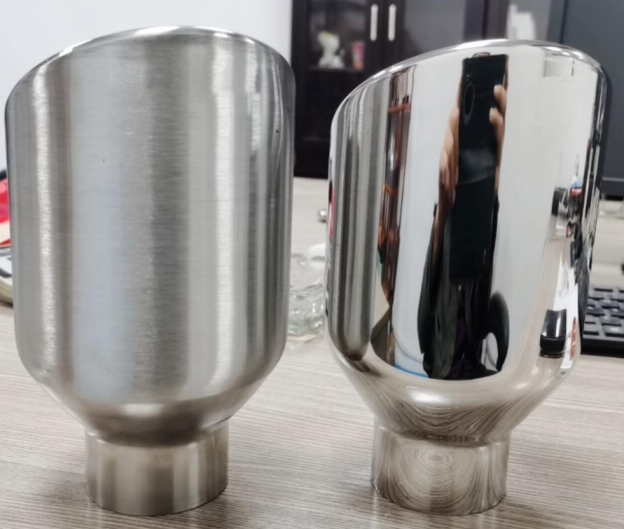
Components like shafts and transmission components whose surface is always in touch with other surfaces need polish. Its reduces the surface roughness, making the surface smoother. As a result, the fatigue life of component increases.
Coating and Plating
Since MS is iron and nickel-based alloy, it is susceptible to pitting and corrosion in aggressive conditions. Subjected to coating and polishing to prevent the interaction of surface with harsh conditions. Components like extrusion dies and casting molds are subjected to coating and plating.
Maraging Steel vs Other Materials
Selecting right material for your project is key pillar to the success of your project. Here we help you choose from common alloy steels and maraging steel according to your requirements.
Maraging Steel vs Tool Steel
Choose tool steel when wear resistance, cutting performance, and lower material cost are more important than maximum strength-to-weight ratio and dimensional stability after aging. For example, in cutting dies and stamping punches. Instead if you want ultra-high strength with good toughness and low distortion after heat treatment, choose maraging steel for precision plastic parts.
Maraging Alloy Steel vs Stainless Steel
Both maraging steel and stainless steel are precipitation-hardened (PH) materials. The choice depends clearly on environmental concerns and strength. If your components are exception in strength and have good strength-to-weight ratio and environment is not that if a concern, pick Maraging steel. If you need high strength and corrosion resistance, choose stainless steel like 17-4PH (stainless).
Maraging Steel vs Titanium
Use Maraging steel for precision high-strength components like injection mould inserts and rocket motors. Since, dimensional stability and ultra-high strength are critical. If your project includes manufacturing lightweight, corrosion-critical structures such as aircraft airframe panels and marine fasteners, opt for titanium.
Maraging Steel vs Inconel
Inconel and maraging steel are both exceptional alloys with remarkable properties. If you want ultra-high strength, precision machining, and minimal distortion after aging for tooling, aerospace structures use MS. However for extreme high-temperature and corrosion resistance, inconel is preferred.
Conclusion
Maraging steel is one of the remarkable steel alloys with its exceptional physical and mechanical properties. Finding its way to multiple industries. Understanding it will help you make informed decisions about the material selection of your project. If you have any queries or need a quotation for this material, feel free to reach out. Our experts are always there to solve your problems. Tuofa steel machining capability can meet your requirement for high-strength parts.
FAQ
Is Maraging Steel Magnetic?
Yes, Maraging is typically magnetic because it's an iron-based alloy with BCC structure. Having feromagnetic nature.
What is equivalent to maraging 350?
These materials share the same chemical composition and yield strength with maraging 350. Primarily differing only by the specific manufacturer:
- Vascomax 350 (Registered trademark of Allegheny Technologies/Allvac)
- UNS S35000 (Unified Numbering System identifier)
- DIN 1.6355 / 1.6356 (European standards)
- ATI C-350 (ATI Specialty Alloys)
Is maraging steel stainless steel?
No, stainless steel is not maraging steel. Both are nickel-based, but maraging has cobalt for its strength and hardness. In stainless steel, chromium is mainly responsible for corrosion resistance by forming a protective oxide layer.
Does maraging steel rust?
Yes, it rusts when subjected to moisture and specific conditions. That's why protective coating is done when used in high-performance applications.
 What Are the Strongest Metals? Type & Applications Explained