Tel/WeChat:
  Email:


 Home
HomeBrushed Parts: How to Get a Good Brushed Finish

 Published:Apr 10,2026
Brushed metal parts not only bring an aesthetically pleasing appearance, but they also enhance certain functional characteristics. The smoother tactile feedback of a machine control panel clearly show the benefits of brush finish.. The brush finish process requires careful attention and high consistency. Here we’ll be discussing the various aspects of the brush finishing process. Stay onboard!
What Makes Brushed Parts Look Good
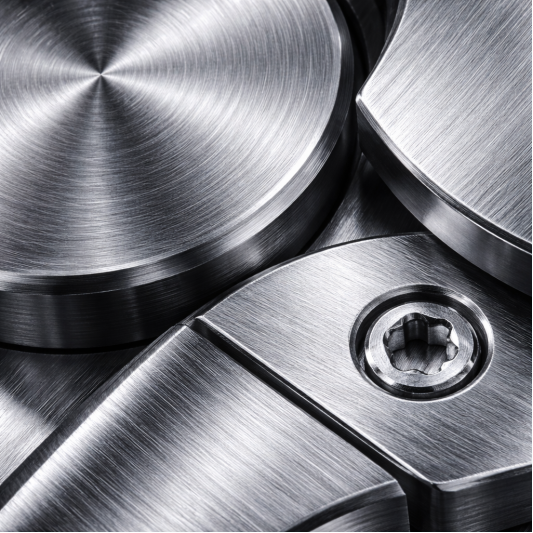
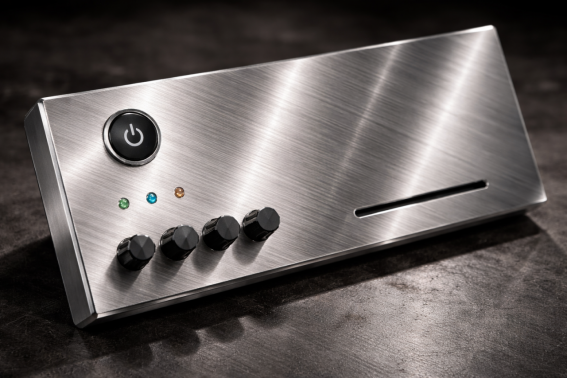
Brushed metal parts are basically parts on which a brush finish is applied for aesthetic purposes. A brush finish gives them a satin look and a matte appearance. This low reflectivity surface with a consistent brush pattern creates a visual appeal for high-end products. Brush finish conceals surface imperfections like scratches, machine marks, and fingerprints. Moreover, brushed metal parts have an enhanced functionality in some applications due to a better tactile response. Common examples of brushed metal parts include panels and consumer electronics housings.
- What is Brushed Finish on Parts?
Brushed finish is an abrasive treatment. In brush finish, the metal surface is abraded lightly in a way that fine parallel lines appear. Ideally, these lines should be consistent and cohesive. As a result, a matte appearance with a professional look appears. It gives brushed metal parts a better grip from a functional perspective.
Grain Direction
Grains in brushed metal parts should have a consistent orientation. Be it horizontally, vertically, or radially oriented, the spacing, width and depth of scratches should be uniform. Moreover, the brush finish should align well with the design intent. Disoriented grain direction appears visually chaotic.
Texture Consistency
Texture over the entire surface should be smooth and cohesive. Inconsistencies ruin the overall visual appeal. A careful monitoring and stringent process control is thus required. Pressure, speed, and abrasive media govern the texture quality.
Clean Edges and Corners
Utmost attention should be given to avoid sharp transitions, burrs, and over-brushed edges. In most brushed metal parts, edges and corners are very likely to be over-brushed. But, careful attention prevents a sloppy appearance.
Uniform Visual Depth
Uniform visual depth refers to the evenness of the surface’s light reflection. It means that all areas appear the same. There is no contrast developed due to some areas appearing darker and others shinier.
Where Brushed Finish Works Best
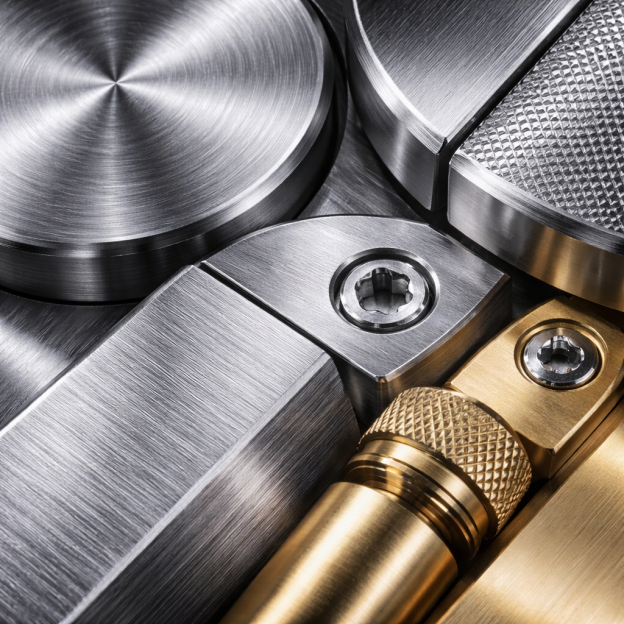
Brush finish gives metallic parts a visual appeal as well as an enhanced functional performance. In contrast to the mirror-finish polished parts, brushed metal parts require low maintenance. A lot of minor surface imperfections get masked out. In components where frequent touching is required, the brush finish hides fingerprints. Further, the brush finish provides a good slipping resistance for parts that require a good grip. Here are some of the most prominent applications of brush finish:
|
Industry |
Applications |
Functions |
|
Consumer electronics |
Laptops, phone casings, tablets |
Premium look and low glare |
|
Appliances |
Fridge doors, ovens, and washers |
Resists visible scratches |
|
Automotive |
Dash trims, panels and pedals |
Enhances tactile feel |
|
Industrial |
Machine covers and enclosures |
Hides machining marks |
|
Furniture |
Hardware, frames and decorative panels |
Adds subtle texture |
|
Kitchenware |
Sinks, utensils, and countertops |
Scratch blending and easy maintenance |
|
Medical |
Equipment housings and instruments |
Non reflective |
|
Hand Tools |
Handles and grips |
Better grip |
Flat Parts
Flat parts are the easiest to apply a brush finish. They also give the best results. Flat parts have a continuous surface that enables uniformity across the entire component. In consumer electronics like tablets and laptops, brush finish gives a premium look. In kitchenware like sinks and countertops, brush finish reduces maintenance for keeping up the same look.
Covers and Panels
Covers and panels are the most visible sections. Due to this high visibility, aesthetics is important. A common example is front panels and enclosure covers used in industrial equipment. Brushed metal sheet lowers glare and creates a cleaner, more uniform appearance. In various types of covers, the brush finish gives a subtle texture.
Handles and Trim Parts
Brush finish greatly enhances the performance of handles and trims. It gives them better tactile feedback. Smooth touch and slipping resistance are comfortable for users. Fingerprints remain invisible even after frequent touching. But consistent brushing is difficult over the entire surface.
Parts That Need Better Grip
Brush finish slightly increases friction. It results in a better grip. So, knobs, handles, and handheld tools can reap the benefits of enhanced grip due to brush finish.
Common Problems in Brushed Parts
- Inconsistent grain patterns
- Overlap marks
- Non uniform blending
- Edgedistortion
- Disruption in a uniform look
- Tool wear contamination
Common Brushing Finish Methods
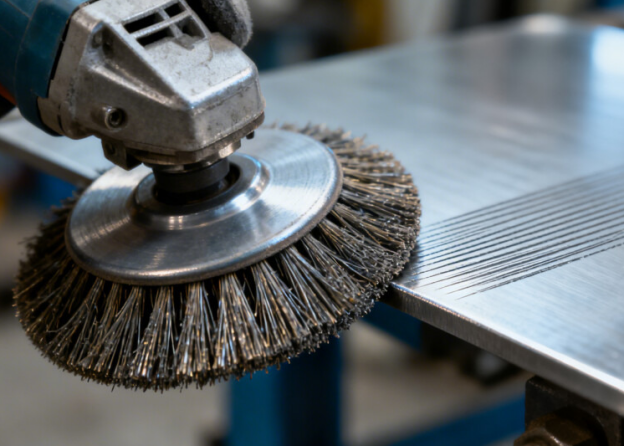
Brush finish methods can be broadly classified as manual brushing, machine brushing, and automated brushing. Each type has its own pros and cons. While manual brushing is suitable only for small batch sizes, machine brushing handles a fairly large quantity. Then comes the automated brushing, which is suitable for a seamless brush finish on complex parts.
1. Manual Brushing for Small Batches
Manual brushing is best suited for small batches, typically under 100 pcs. It reduces setup cost. Manual brushing paves the pathway for machine brushing when production quantity is increased. This brush finish method relies on the skills of the operators. High adaptability to brush finish requirements makes it suitable for custom parts.
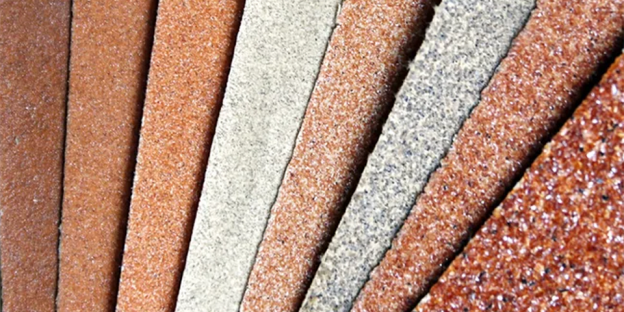
Manual Sandpaper for Texture
Sandpapers come in different brushing grits: from coarse to fine. Operators adjust the texture by using the required sandpaper specifications. Consistent strokes in a single direction create linear grains. But it depends heavily on operator skill.
Why Hand Brushing Fits Prototypes
Hand brushing allows for quick adjustments. It has a high adaptability. All sorts of brush finish textures can be made without specialized tooling. Reiterating designs is easier in manual brushing than in any other method. So, brushed metal prototypes can be developed easily.
2. Machine Brushing for Medium Batches
Machine brushing presents a balance between efficiency and consistency. Some dedicated equipment with control brushing parameters is used to create brushed metal parts. A medium-sized order, as 300-900 pcs, is good to meet the setup cost. Some of the common machine brushing methods are listed below:
- Abrasive belt brushing
- Rotary brushing
- Widebelt sanding machines
3. Automated Brushing for Large Batch Parts
Automated brushing is a more advanced technique. Manufacturers typically entertain large batches only, say over 1000 pcs. It offers high throughput, minimum human involvement, and consistent quality.
- Robotic Brushing
Robotic brushing relies on programmed paths and CNC control. Industrial robots guided by computers make self-adjustments according to geometry and location. It is best suited to brush finish complex geometries of brushed metal components. It provides consistent grain direction, good grain blending, and wide coverage.
How to Control Grain Direction
Controlling the grain direction is the key parameter in obtaining visually cohesive grain flow in brushed metal parts. Whether there are horizontal grains or vertical grains, the principle remains the same. That is, the visual flow must be consistent. Even slight deviations are noticeable under light. These can ruin the appearance of the entire surface.
Start With a Good Surface
A good surface preparation results in a seamless blend of brush lines in brushed metal parts. Here are some surface finish guide tips:
- Remove all machining marks with a fine abrasive
- Deburr all edges
- Clean the surface with surfactants to remove unnecessary chips
- Give a uniform pre-grit finish
- Inspect for dents or scratches
One Direction Only
As a rule of thumb, brush lines should not deviate from a linear path. Any misorientation disrupts the visual flow of grains. So, a stringent quality check must be in place. Setting up a robust setup, maintaining steady motion, and controlling handling are thus critical.
Areas That Need Extra Care
- Front and Side Faces
The grain flow of adjacent faces should blend. There should not be discontinuities. Otherwise, the brushed metal parts will lose their visual depth.
- Where Should Stay Smooth
All surfaces that should remain smooth must be masked during brushing. Examples of such areas include contact zones and precision fit mating regions. If they are not handled
carefully, then the parts might lose their functionality.
How to Keep Texture Consistent
Maintaining a consistent texture over the entire batch creates a good visual effect. Inconsistent texture highlights transitions that are deleterious from an aesthetic standpoint. On the other hand, a consistent texture blends the grain lines seamlessly.
Use the Same Grit
In order to maintain a consistent texture, the same grit should be used over the entire surface. The larger the grit number, the finer it is. Change of grit highlights a marked difference that cannot blend. The table below shows some common grit numbers:
|
Finish Type |
Grit Range |
Surface appearance |
Applications |
|
Coarse brush |
80 -120 |
Strong and visible lines |
Heavy industrial parts |
|
#4 Finish |
120 - 180 |
Standard satin |
Appliances |
|
# 6 Finish |
180 - 240 |
Softer satin |
Decorative panels |
|
Fine Brush |
240-400 |
Subtle grains |
High-end aesthetic components |
Keep Stroke Length Similar
Stroke length over the entire batch should remain the same for a consistent performance. Otherwise uneven or overlapping texture might appear.
Test One Sample Before the Batch
Testing one sample on a specific setting is advantageous in setting up parameters. It enables the accurate formulation of process control parameters.
Why Small Machined Parts Are Harder to Brush
When brushing small-sized parts, there are unique challenges in the manufacturing. Edge protection and coverage of the entire surface are critical to manage. Workholding setup is another key consideration in the manufacturing of small-sized brushed metal parts.
Limited Holding Area
A limited holding area is the foremost limitation in imparting a brush finish on small machined parts. They are hard to secure in place. So, custom jigs are required for proper fixturing.
Easy Edge Damage
Edges are always prone to damage in such brushed metal parts. Even a slight mishandling can round off sharp edges. It can thus act against the original design intent. So, masking of edges and proper fixturing are needed for edge retention.
When Hand Brushing Is Not Enough
While hand brushing is often used for prototypes and custom parts, it cannot suffice for all conditions. For situations like large quantities, tight tolerances, and complex shapes, hand brushing is unable to produce quality and consistency in appearance.
Repeated Parts in Medium Volume
Hand brushing is only suitable for a small batch of parts. For a medium volume, hand brushing falls short of the level of consistency. Hand brushing is inherently variable. On the other hand, machine brushing gives more control over brushing parameters.
Tight Appearance Tolerance
In brushed metal parts where visual tolerances are tight and variations are unacceptable, hand brushing may not be suitable. Operators are bound to vary parameters due to the technique, change of individual or even otherwise. So a strict process control cannot be established.
Complex Custom Machined Parts
Complex shapes with parts that have curves and multiple faces are very difficult to hand-brush reliably. To impart a cohesive appearance, automated processes like multi-axis machine brushing or robotic brushing are needed. Their CNC control and programmed paths handle such situations very well.
When Brushed Finish Is a Bad Choice
Although brush finish gives an aesthetically pleasing and professional look to parts. But sometimes, it can affect the functionality of the component. In some other situations, brush finish might be unnecessary. Here, we are discussing some of these situations.
Sealing Faces
Brush finish on sealing faces causes such parts to lose their functionality. Brush lines create micro-grooves that are counterproductive in making a tight surface contact. These fine grains create pathways for fluid or air leakage.
Tight Contact Areas
Assemblies with tight fits like bearing seats, sliding interfaces, or press-fit components are not suitable for brush finish. It can alter the surface profile. The dimensional inaccuracy due to the abrasive action results in improper fit of such components.
Hidden Internal Features
It is often unnecessary to brush-finish hidden features. They are not only invisible, but they are also hard to reach. So, the brushing setup might create inconsistencies in part finish.
Parts That Scratch Too Easily
Softer materials are prone to developing deep and unparallel lines. This difficulty in handling sometimes evades the need to apply a brush finish. If a brush finish is still necessary, the experts should be consulted. You can check our website to know more about: how to brush softer metals like aluminum.
Choosing the Right Brushed Finish for Your Parts
Prototype Use
Manual brushing is considered ideal for prototype manufacturing. It allows for quick adjustment and reiterations. It is thus instrumental in parameter definition.
Small Batch Orders
Small batches are also entertained by manual brushing. Machine brushing may require a certain minimum order quantity for adjustment of machine parameters.
Decorative Parts
Decorative parts require a high level of visual appeal. Even small inconsistencies are easily noticeable. So automated brushing processes should be preferred.
Functional Parts
Functional parts may require reduced glare or an elevated friction for better gripping. A careful control can only be established in machine brushing processes.
How Shops Improve Repeatability
Shops set their bet on controlled parameters that are possible in machine-run processes. Automated CNC processes offer an even higher repeatability. But sometimes a close process control can also be established in manual brushing with standardized grits and well-devised procedures. TUOFA sometimes uses manual brushing for prototypes or small batches.
Conclusion
Brush finish is a surface treatment technique commonly applied to metal parts. Brushed metal parts usually have reduced glare, visual depth, and better tactile feedback. Since brush finish hides minor surface imperfections, a low level of maintenance is required in comparison to polished parts. Brush finish is thus applied to numerous parts used in appliances, electronics, architecture, and hardware.
FAQs about Brushed Parts
Can I brush parts myself?
Yes, brush finish can even be applied with sandpaper. But it is the technique that matters the most.
How to specify brushed finish on parts?
The common specifications include: grain direction, grit number or any relevant brush finish standard.
What is the difference between hairline finish and standard brushed finish?
Hairline finish is more subtle and fine than standard brush finish.
 Scotch Yoke Mechanism: How It Works, Design, and Machining Tips