Tel/WeChat:
 Email:



 Home
Rapid Prototype Tooling: Manufacturing Methods, Design & Manufacturer

 Published:Oct 22,2026

A prototype must be created for many of the products before their design can be accepted. This is an essential step before investing in expensive production machinery.Rapid prototype tooling makes it possible to produce test pieces quicker and less expensively. Test pieces that resemble the actual product are useful in validating the design.
This guide provides engineers with an insight into the process of rapid prototype tooling. Its applications, design considerations, tooling expenses, and the methods of selecting appropriate tooling technology are also discussed.
What Is Rapid Prototype Tooling?
Rapid prototype tooling is a type of temporary tooling used to manufacture a limited number of parts. The tool can be created faster and cheaper than conventional tooling used in manufacturing processes. Aluminum, soft steel, plastics, and composites can be applied in its fabrication. The tools are used in making operational prototypes for testing.
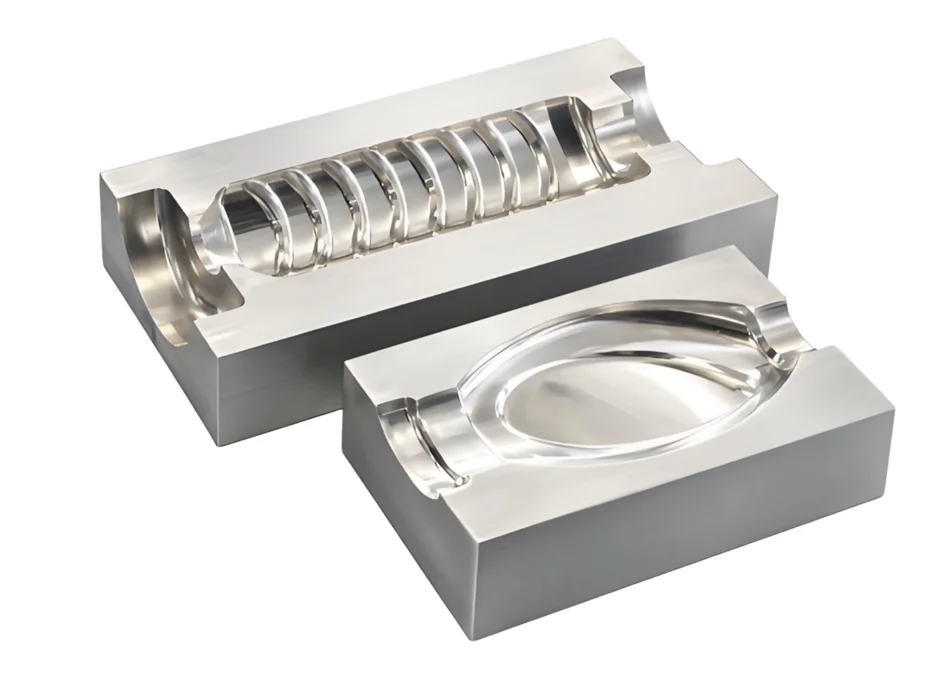
In contrast to the 3D printing technology, the rapid prototype tooling involves application of conventional technologies in manufacture of parts. Injection molding, casting, and forming are some of such methods which produce prototypes that resemble the final product. The prototypes facilitate examination of dimensions, material used, wall thickness, surface quality and function performance of the part.
Direct vs Indirect Rapid Tooling
Direct tooling involves creating the actual mold, die, insert or fixture used to create the components. The mold can either be machined using a CNC machine or printed using a 3D printer. This technique is useful in cases where the component requires good surface quality and dimensional accuracy, as well as specific mechanical properties.
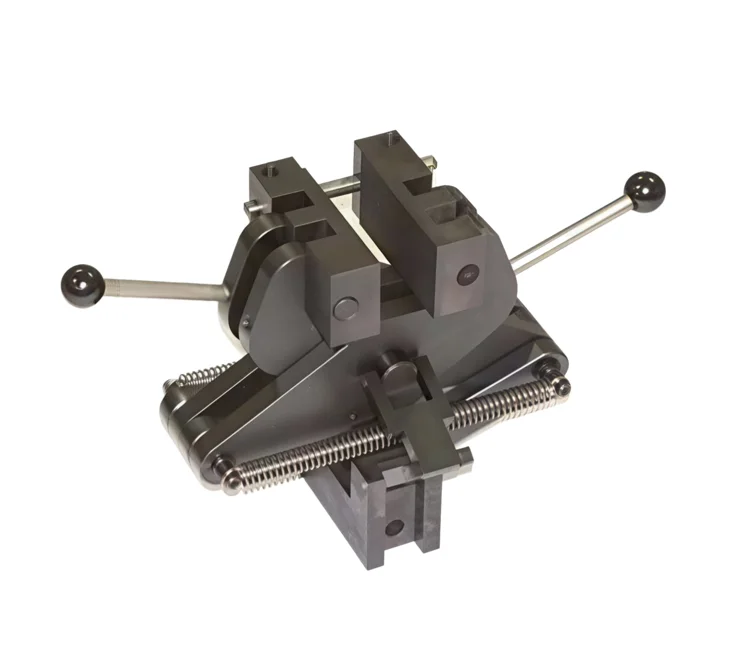
Indirect tooling involves the creation of the master part first, which is later used to create the tool. The master part can be created using 3D printing and later on used to fabricate the tool out of materials such as silicone and epoxy among others. This approach is suitable for making complicated geometries and small production numbers.
Bridge Tooling vs Rapid Prototype Tooling
Rapid prototype tooling is designed for manufacturing small quantities of parts. Such tooling is primarily employed for evaluation of a design, testing a part or gaining customer approval. The durability of such tooling is not a priority.
Bridge tooling serves as a link between the prototype phase and production phase. This kind of tooling is required when more pieces are needed, but the production tooling is still not available. Therefore, bridge tooling should be more durable than prototyping tooling and provide better repeatability of parts.
Table: Common Prototype Tooling
|
Tooling Type |
Typical Use |
Material |
|---|---|---|
|
Prototype Molds |
Low-volume injection-molded parts |
Al, P20 steel |
|
Mold Inserts |
Swapping features into an existing mold base |
Aluminum, NAK80 |
|
Forming Dies |
Sheet metal stamping or bending prototypes |
Tool steel, aluminum |
|
Casting Tooling |
Sand or vacuum casting metal prototype parts |
Aluminum, epoxy resin |
|
Thermoforming Tooling |
Vacuum or pressure-formed plastic sheet parts |
Aluminum, composite |
|
Compression Molds |
Rubber or composite part prototyping |
Aluminum, steel |
|
Jigs and Fixtures |
Holding parts for machining, assembly, or inspection |
Aluminum, 3D printed polymer |
|
Master Patterns |
Source pattern for indirect tooling or casting |
3D printed resin, wood |
Why Is Rapid Prototype Tooling Needed in Product Development?
Rapid tooling for prototype provides an easy way for designers to try out their designs without having to develop expensive production tooling. Engineers get to hold a physical part to analyze. This is done without depending entirely on computer modeling. This is important where the part's geometry, size, materials, finish, and assembly impact the final product.
Quick Design Validation
This process is beneficial for creating samples before proceeding to develop production tools. The team gets an opportunity to evaluate the sample prior to the completion of production tools. The evaluation is done concerning the size, fit, wall thickness, draft, assembly, and surface finish.
Reliable Functional Testing
Products produced through the process developed have a much more real test result compared to visual prototypes. The team is able to test such products in various ways. These tests can be for mechanical strength, thermal resistance, sealing, and assembly. It all depends on the usage of the product.
Reduce Upfront Tooling Costs
Rapid tools need less machining and simpler designs compared to the production tools. Lower cost materials can also be used. This leads to reduction in the costs incurred in the designing of the tooling process. Various designs can also be tested before deciding on a costly production tool.
Shorten Product Development Cycle
This process reduces the period between CAD and toolmaking and production of test parts. The process also makes testing and design modifications faster. This allows engineers to detect any problem areas in advance and modify the design accordingly.
Reduce Risks Before Production Tooling
Prototype tooling will identify manufacturing defects before production tooling is constructed. Such defects may range from insufficient draft, gate positioning, warping, dimensional variations, or the inability for parts to assemble. Identification of such defects prior to construction of production tooling will assist engineers in solving them.
Manufacturing Methods for Rapid Prototype Tooling
There is no one production technique that will suit every prototype and every tool. It will depend on different things. These are part shape, number of parts to be made, accuracy, surface finish, and operating environment.
CNC Prototype Machining vs Rapid 3D Printing
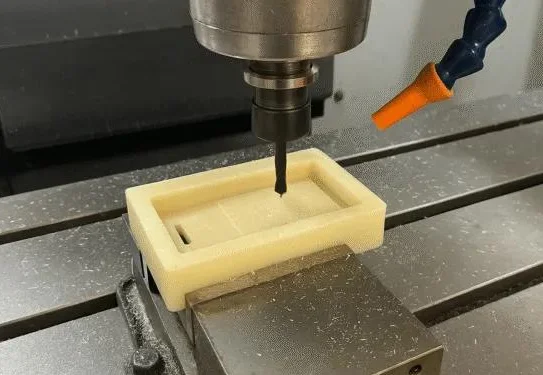
Additional material is shaved off a block for manufacturing the part during the process of CNC machining. Deep pocket and closed irregular geometries are difficult to machine via CNC directly. EDM is often needed to do further machining. The surface finishes can be applied on the CNC-machined prototype tooling. Post processing is done according to the application requirements. A good advantage is that CNC machining allows direct modification of part design by continuous removing materials from the workpiece to change the dimension or some features. Fully CNC-machined rapid prototype tooling include:
- Prototype injection mold inserts (aluminum or P20 soft steel)
- Solid thermoforming prototype tools
- Compression molding prototype tools for plastics & composites
- vacuum casting master patterns (high-precision)
- Precision jigs, inspection and assembly fixtures
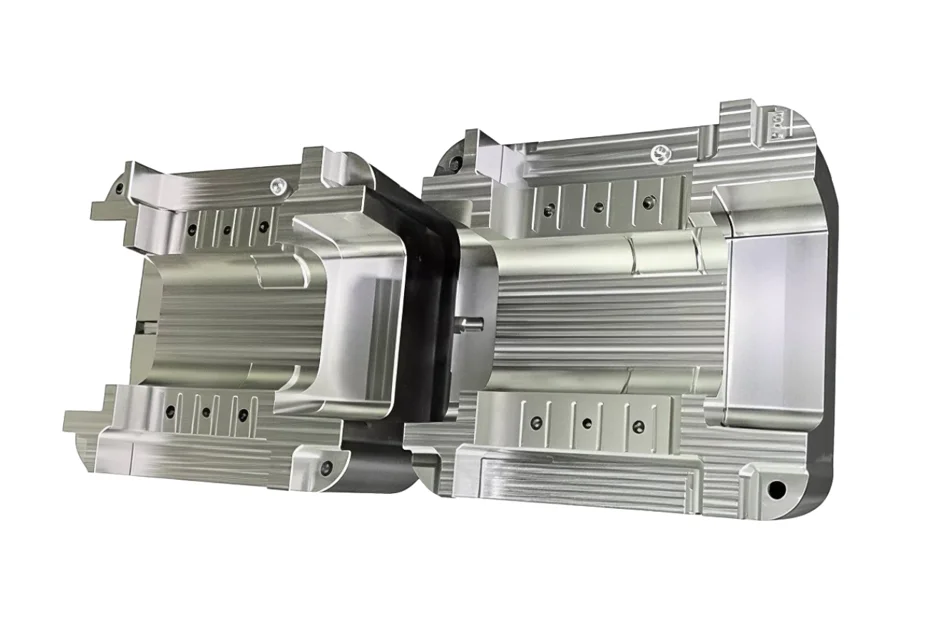
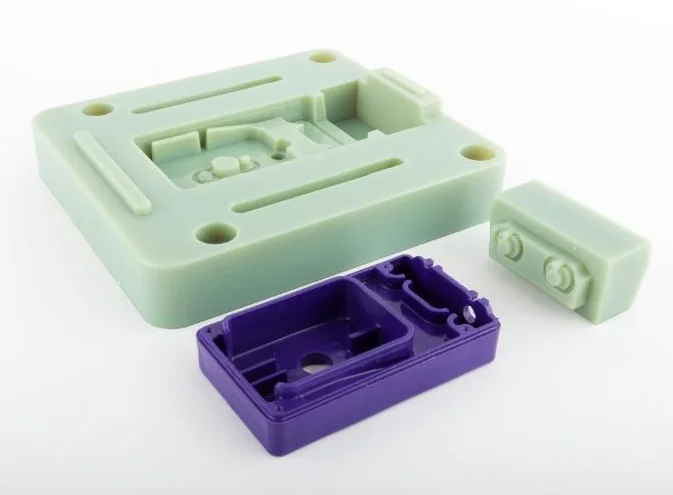
3D printing involves adding layers of material in the manufacturing of parts. The prototype tooling made via 3D printing inherently posses porosity, layer bonding and anisotropy. The residual internal stress can warp the cavity after printing. In addition, almost all 3D-printed prototype tooling need post processing including removing support, sanding, infiltration or coating. The drawback is that this manufacturing method isn't ideal for directly revising part design.
Hybrid Manufacturing: 3D Printing + CNC Machining
The process of hybrid tooling involves combining both 3D printing and CNC milling. The parts which are produced using the 3D printing technology can act as cores or inserts and have a very complex design. CNC milling process can be used for the finishing of the surfaces of the cores or inserts. The following prototype tooling often uses this hybrid manufacturing method:
- Thermoforming prototype tooling
- Master patterns for vacuum casting
- Complex inspection & assembly jigs
- Compression mould prototype tool for composite parts
Secondary Machining: Injection Molding + CNC Precision Machining
Some prototype components will be initially manufactured by molding and casting. Then CNC machining will be applied for further processing of the parts to gain the necessary precision. This approach suits very well to work with holes, sealing surfaces, threads, and other surfaces. Injection molding and subsequent CNC precision machining is often used for plastic prototype tooling.
- Electrical housing prototype molds
- Medical plastic housing prototype molds
- Automotive fluidprototype molds
Other Manufacturing Methods for Rapid Prototype Tooling
Here are few manufacturing methods that are used for rapid prototype tooling.
|
Method |
Description |
|---|---|
|
Vacuum Casting |
Silicone mold cast from a master pattern; good for roughly 20-50 parts in polyurethane resins |
|
Sheet Metal Forming Dies |
Simple aluminum dies for low-volume stamped or bent parts |
|
Compression Molding Tools |
Aluminum or steel tools for rubber and composite prototypes |
|
Sand Casting Tooling |
Low-cost tooling for metal casting prototypes in small batches |
Design Tips for Rapid Prototype Tooling
A tool for prototyping must have an intended purpose for validation. Get rid of those characteristics which are not necessary for test purposes to save on machining cost. Nevertheless, keep the production characteristics that influence process performance.
Avoid Complex Tooling Features
Delete slide, lifter, pocket, and other difficult machining details that are not required for testing the part. It should not impact the objective of the test. If you don't need to validate the side core, thread unscrewing or lifter motion of your prototype tooling, you can simplify or remove these design features.
Leave Adjustment Allowance
For NPD projects, prototype tooling designs may require frequent modifications. Leaving a machining clearance on critical fits and dimensions allows subsequent revisions and post processing. In practice, you can leave 0.15 mm ~ 0.3 mm adjustment allowance on critical cavity faces for adjusting design without need of remaking parts.
Use Secondary Machining for Expensive Features
Not all high tolerance elements have to be machined on the main body. When you design the prototype tooling, you can specify what critical features should be created or optimize through secondary CNC machining. This can help you reduce the cost. For instance, thin deep ribs, ultra-precision small holes or internal corners can increase machining cost if you don't select injection molding first for rough machining.
Rapid Prototype Tooling vs Production Tooling
Tooling for rapid prototypes is very different from tooling used for production. Rapid prototype tooling concerns itself with speed, flexibility, and design evaluation. Production tooling require repeated dimension, stable appearance, and wear corrosion of the prototype tooling. Manufacturing tools when the design has not been completely evaluated may result in higher costs.
Different Purposes in the Product Lifecycle
- Rapid prototyping tooling is used for testing the design and process.
- Production Tooling is used for stable and repeatable mass production after the design is frozen.
Flexibility vs Productivity
Rapid tooling is more flexible. It can utilize simple tool designs, cheap materials, and replaceable parts. On the other hand, production tooling is designed for long-service-life prototype tooling.
HMLV Manufacturing for Rapid Prototype Tooling
High-mix, low-volume (HMLV) production system can be very useful in prototype tooling production. This is because the production system can be used to manufacture different designs in low numbers.
High Variety of Custom Tooling
Development projects might require molds, dies, fixtures, patterns, and other types of tools. HMLV manufacturing process has the capability to accommodate various kinds of tools on one project.
Low Quantity per Tooling Design
The prototype might require only a number of tools. This type of manufacturing process is ideal in meeting this need. Each tool can be customized to perform a certain function.
Flexible CNC Programming and Setup
CNC machines will be required to cater to different shapes and materials for rapid tooling processes. There will also be a need for frequent changing of CNC programs. Proper setup planning will reduce setup times.
Tuofa CNC Manufacturer Help Your Prototype Tooling Project
There should be engineering assistance, precision machining, testing, timely deliveries, and communication from a dependable tooling vendor. Tuofa manufactures rapid prototype tooling and CNC machining based on the drawing, material, tolerances, geometry, volume, and use.
DFM and Engineering Support
Inquire whether the supplier verifies the draft angles, wall thicknesses, parting lines, and accessibility for machining. The supplier should also verify the tolerances and design of the tooling. The good supplier will identify any issues in manufacturing process at an early stage.
Rapid Tooling Capabilities
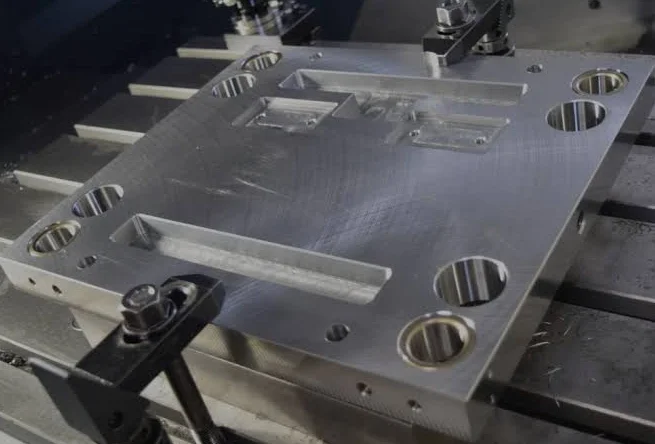
Tuofa's machining capabilities for making prototype tooling include:
- High aspect ratio control
- Concentricity
- thin wall cavity machining
- deburr control
- Flatness & residual stress management
Conclusion
Rapid prototype tooling provides an opportunity to check out the design prior to the investment in the manufacturing tooling. The effective approach starts from setting validation objectives. Keep the tool simple if possible. Conduct the DFM analysis early. Select the vendor who would be capable to deliver the needed tooling.
Flexible manufacturing may also help with producing low-volume and highly diverse product line. The objective is not only to speed up the tools making process but also to speed up the decision making of engineers.
FAQ
Is aluminum always the best material for prototype molds?
However, aluminum is commonly preferred for molds used in prototyping. This material can be easily machined and is cheaper than most steels. If there is a need for extended tool life, steels like P20 and NAK80 should be considered.
Can rapid prototype tooling be used for bridge production?
Yes. Rapid tooling could be applied in manufacturing bridges where part volume and processing restrictions permit such action. Tool material, number of cycles, part material, temperature, pressure, wear, and accuracy need to be verified.
What are advantages of rapid tooling?
Rapid tooling can help in reducing the cost of tooling. Lead time and design changes can be minimized. Testing with production material is possible at an early stage.
 Medical Prototyping: Parts, Manufacturing Methods, Material Selection & Supplier